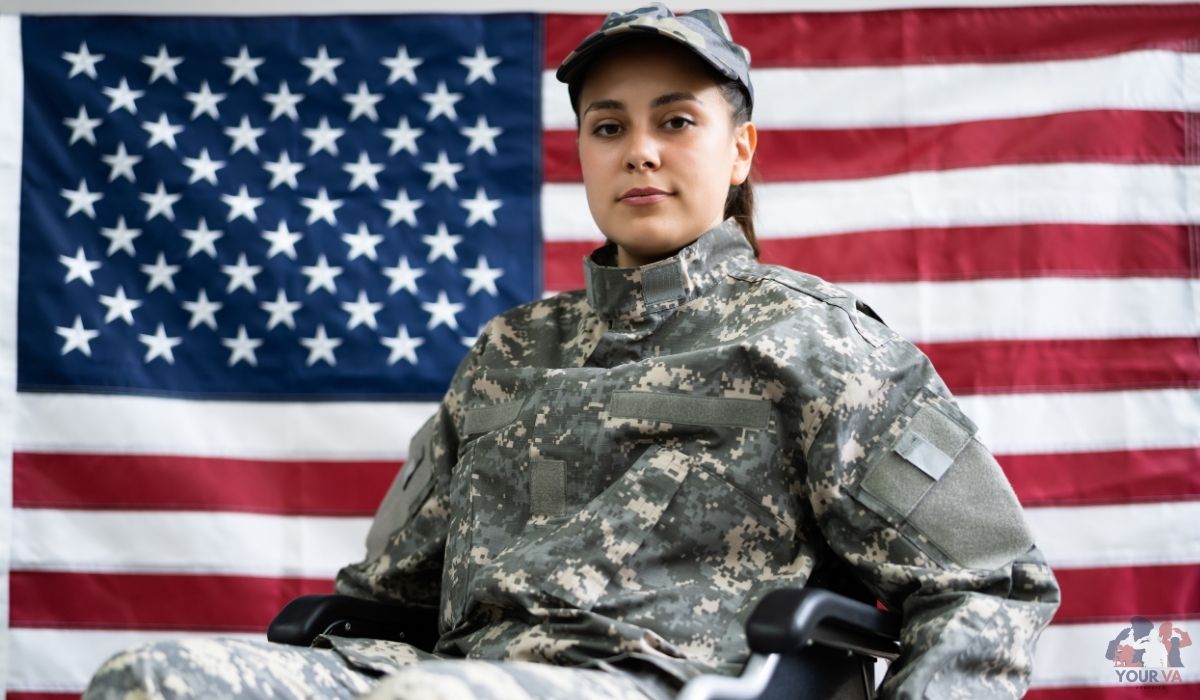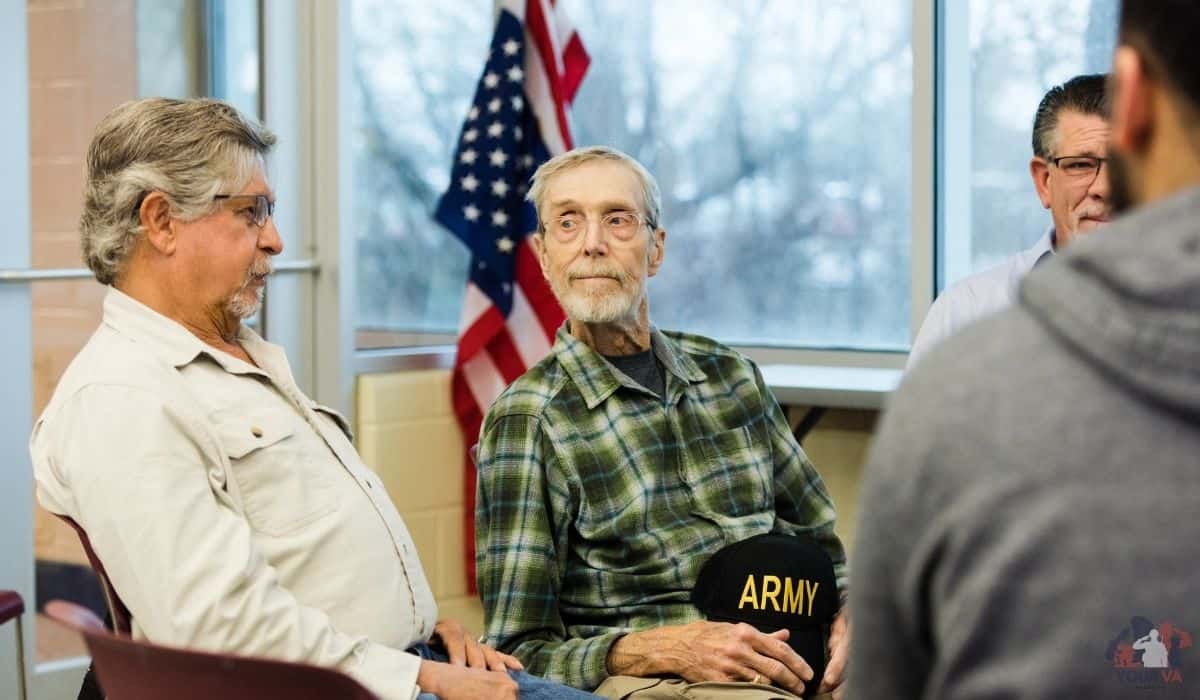


As we move through 2026, more than 7 million of our nation’s veterans are receiving monthly disability payments from the VA.
For most Americans, that number raises an immediate question: why are so many veterans on disability today? A fair question, wouldn’t you say? The sheer scale of these disability benefits often leads to confusion about what is really driving the numbers.
From our experience working directly with those who served, the answer isn’t simple. It involves the nature of our all-volunteer military, the toll of decades at war, and major policy shifts within the Department of Veterans Affairs.
We also have to consider how the VA’s budget has grown to meet these obligations. In this article, we will unpack the real reasons behind the rise in disability compensation and what it means for veterans and their families.
This topic connects directly to our previous coverage on how many VA facilities are there to support this population. Later, we’ll share more facts about veterans that put these trends into perspective.
For a complete breakdown of the data, be sure to check out our main post on veterans’ statistics.
Key Points
- PACT Act expanded eligibility for veterans exposed to burn pits and other toxins.
- Modern medicine now confirms conditions like migraine headaches and sleep apnea as service-connected.
- Mental health conditions including PTSD are now recognized as legitimate disability claims.
- Fraud rates remain extremely low despite media narratives suggesting otherwise.
- Veterans can file for revising disability rating awards when conditions worsen over time.
The Primary Drivers: Why Are So Many Veterans on Disability?
When people ask us why so many veterans are on disability, they usually expect a simple answer. There isn’t one. The rise in disability participation comes from three major shifts in how America treats its service members.
Each one tells a different story about military service and its long tail of consequences.
The PACT Act and Toxic Exposure Recognition
The biggest game changer in recent years has been the PACT Act. This law expanded VA benefits for toxic exposure related to military service.
Before this legislation, veterans had to prove their illnesses came from specific events. That burden of proof stopped many from ever filing disability claims.

Consider burn pits in Iraq and Afghanistan. Service members breathed smoke from burning waste for months. They developed breathing problems, cancers, and rare respiratory conditions.
Proving direct causation was nearly impossible. The PACT Act changed that by creating presumptive service connection for these conditions.
Agent Orange tells a similar story from an earlier era. Vietnam veterans spent decades fighting for recognition of health effects caused by herbicide exposure.
The Gulf War also left thousands with unexplained illnesses. The PACT Act extended similar protections to more recent generations.
These were much needed improvements to the system. The law essentially said: if you served in certain locations during certain periods, we trust your service connected injuries are real.
For veterans, this removed an impossible burden. For the numbers we see today, it opened doors that stayed locked for decades.
The Global War on Terror and Long-Term Combat Impact
Here’s another reality. The United States has been at war for over two decades. Iraq and Afghanistan produced hundreds of thousands of combat veterans who served in actual war zones. This is different from the peacetime service many Americans imagine.
The statistics on foreign wars show something striking. Service members deployed once, then twice, then three times. Some did five or six tours. Each deployment adds stress to the human body that does not simply fade away when soldiers come home.
The injuries sustained during this period fall into predictable categories. Musculoskeletal injuries top the list. Carrying heavy gear for months destroys knees and backs.
Traumatic brain injury became the signature wound of these conflicts. Explosions that would have killed earlier generations now leave soldiers alive but permanently changed.
Want To Increase Your Rating?
Improved Medical Recognition of Service-Connected Conditions
Here’s something that surprises most Americans: Many conditions that disable veterans simply were not recognized twenty years ago. Now, modern medicine gave us better tools. Objective medical tests now confirm what veterans always knew about their bodies.
Take migraine headaches. For decades, veterans reported crushing headaches after deployment. Without objective proof, many claims got denied.
Today, neurologists understand how blast exposure and stress trigger chronic migraine patterns. The testing confirms what patients describe.
Sleep apnea follows a similar path. We now know that medical conditions like sleep apnea connect directly to service.

Physical changes from carrying gear, weight gain from limited activity, and even throat injuries from blasts all contribute. VA officials and claims examiners now use sleep studies as concrete evidence.
The human body breaks down under stress. That seems obvious. But proving a service connected disability used to require showing exactly when and how the breakdown happened.
Today, VA officials work with clearer medical evidence standards. This means more accurate decisions and fewer deserving veterans left without help.
Invisible Wounds and VA Disability Statistics
The conversation about VA disability statistics often misses something important. Many of the fastest growing conditions leave no visible scars. The shift toward recognizing these invisible wounds changed everything about how we understand disabled veteran populations.
Mental Health Awareness Among Veterans
Ask any combat veteran about their hardest battle. Most will name something inside their own head. Post traumatic stress disorder affects hundreds of thousands who served in conflict zones. The difference today is we finally talk about it.
Veterans’ mental health emerged from the shadows over the past fifteen years. Military culture traditionally discouraged admitting weakness. That left mental health conditions untreated and unacknowledged. Combat veterans carried psychological distress alone.
As one soldier puts it, “The war followed me home. I left it there, but it didn’t stay.” That feeling captures what many experience. Flashbacks, hypervigilance, emotional numbness. These are not character flaws. They are injuries to the brain from sustained exposure to danger.
General David Petraeus once noted, “The signature wounds of today’s wars are invisible.” He meant traumatic brain injury and PTSD specifically. His observation proved accurate. These conditions now represent a massive portion of VA’s caseload.
Understanding VA Disability Ratings
The VA disability system uses a specific language. Understanding it helps make sense of the numbers. VA disability ratings range from zero percent to 100 percent based on severity. This rating schedule determines monthly financial compensation.
A service-connected disability simply means the VA agrees your condition resulted from military service. This connection matters enormously. It opens access to care and monthly payments designed to offset lost earning potential.
The process requires a VA doctor or specialist to provide a medical opinion. Their assessment, combined with service records and personal statements, determines the final disability rating awards.
A 10% rating for tinnitus pays less than a 50% rating for PTSD. The system matches compensation to impact on daily life.
Zero percent ratings surprise some veterans. These recognize a condition exists but currently causes minimal impairment. The important part is the service connection itself. Future worsening can trigger increases without reproving the original injury.
Addressing Fraud Misconceptions
Media stories occasionally suggest rampant fraud in the VA system. Headlines may sell papers, but the actual fraud investigations tell a different story. Government watchdogs consistently find fraud rates below what most Americans guess.
The Washington Post and other outlets have covered notable cases over the years. Each one generates outrage. But consider the scale.
With millions of veterans receiving benefits, the vast majority of disabled American veterans have legitimate claims backed by medical records and service history.
The system operates partly on the honor system. It has to. You can’t x-ray nightmares or scan for moral injuries. Trusting veterans to honestly report their struggles creates some vulnerability. Yet repeated audits show this trust is not misplaced.
We’ve reviewed thousands of claims over the years. The pattern is consistent. Veterans downplay symptoms more often than they exaggerate them. In many cases, they waited years to ask for help.
Many still feel guilty accepting payments for wounds they cannot prove with X-rays. That’s not fraud. That’s the opposite of fraud.

Navigating the Complex VA Disability Rating System
Understanding why so many veterans receive benefits is one thing. Actually navigating the system to get those benefits is something else entirely. The process can test anyone’s patience. Here is what future claimants should know about how this all works.
Filing Disability Claims with the Federal Government
The federal government doesn’t make things simple. That’s just reality. The VA disability system involves forms, evidence requirements, and timelines that confuse even sharp minds. Ask yourself: when was the last time you enjoyed dealing with government paperwork?
How many veterans start the process and quit halfway through? Too many. The disability claims process asks for service records, medical opinions, and personal statements. It demands specificity.
A claim saying “my back hurts” goes nowhere. One describing exactly when and how the injury happened has a chance.
Take a Marine we worked with last year. He had three separate disability claims pending. Each required different evidence. Each moved at its own pace through the system.
For most veterans, this complexity creates real frustration. They served their country. Now they navigate a maze just to prove what they already know.
The lesson for future claimants is simple: find help. Veteran service officers exist specifically to guide people through this. Using them isn’t cheating, it’s smart!
Revising Disability Ratings and Secondary Conditions
Another thing a lot of veterans miss: A disability rating today might not fit tomorrow. Conditions change – they worsen. They create new problems. Understanding this opens doors for revising disability rating awards when circumstances shift.
Consider a soldier who injured his back during a training accident. That physical injury earned him a 20 percent rating. Years pass, and the back pain leads to limited mobility. Limited mobility causes weight gain. Weight gain triggers sleep apnea.
Each new problem connects back to that original injuries incurred during service.
Erectile dysfunction offers another clear example. Many veterans take medications for blood pressure, depression, or chronic pain.
Those medications carry side effects. If the original condition was service-connected, the secondary condition may qualify for benefits too. The VA recognizes these chains of cause and effect.
We tell veterans this repeatedly: your body changes. Your rating should reflect those changes. Often, many veterans we work with qualify for a higher rating than they initially received. They just never asked.
Education and Resources Available to Veterans
The system feels overwhelming at first. But resources exist to help. The GI Bill does more than pay for school. It connects veterans to campus offices where benefits experts work. These people understand the system because they deal with it daily.

VA health care serves a similar purpose. Regular appointments build medical records. Those records become evidence for future claims. A documented history of treatment carries weight with raters. It shows consistency.
We met a veteran who used his health care appointments to document his declining condition over three years. When he finally filed, his claim was approved in months instead of years. His record told the story for him.
Even military academy graduates need help sometimes. The system humbles everyone equally. But military veterans tend to solve problems by finding people who know the answers. That instinct serves them well here. The resources exist. Using them just makes sense.
Final Thoughts
Here’s the bottom line. The rise in disability participation among nations veterans doesn’t signal widespread abuse. It shows a system finally catching up with reality.
The PACT Act opened doors. Better diagnosis confirmed what veterans always knew. Mental health recognition removed old stigmas.
Military veterans earned these benefits through service. Service connected conditions reflect real sacrifices made in uniform. Disability compensation exists to support those whose bodies and minds paid the price. That’s the simple truth.
We hope this helped clarify what drives those numbers you hear about. If you or someone you know needs help understanding these benefits, start here. Visit our homepage to explore resources designed specifically for military veterans.