
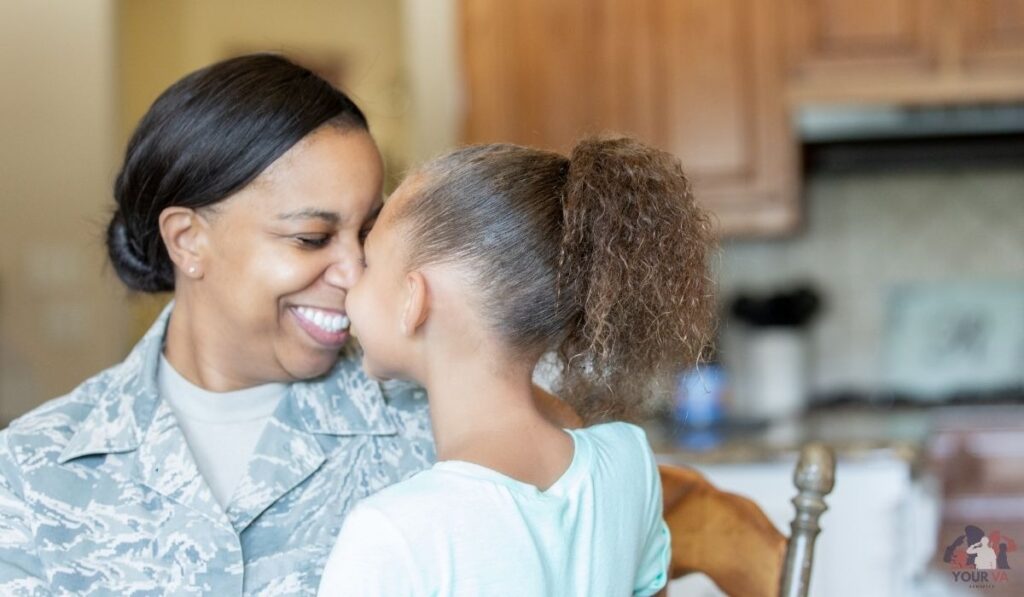
More than two million women veterans are part of the American story right now, a figure that often surprises people.
As the overall veteran population slowly shrinks, the number of female veterans continues to rise, with projections showing women approaching one in five living veterans within the next two decades.
From our experience, this shift is often misunderstood or overlooked, even though it shapes policy, health care, and daily life for those who served.
This article answers a simple but powerful question: what percentage of veterans are female, and explains what that number means at present for military service, service member identity, and long-term military experience in a growing population that deserves clearer recognition.
For readers who want more context, this article connects closely with our breakdown of veterans’ mental health statistics, builds on broader veterans statistics covered in our main post, and leads naturally into the next guide answering how many VA facilities are there.
Key Points
- In early 2026, women veterans number over 2.1 million and represent about 11.7% of the total veteran population.
- Their share grows steadily as the overall veteran population shrinks, with projections hitting around 18% by 2040.
- Women veterans show stronger diversity, higher education levels, and unique needs in VA benefits, health care, and civilian transition.
- Key trends highlight the need for targeted support, better outreach, and data tracking to meet their specific realities.
The Big Picture — What Percentage of Veterans Are Female?
As we look at the numbers behind women veterans, the picture gets clearer and more exciting every year. We pull from VA reports and Census Bureau data to track these shifts. This section breaks down the current stats, how things have changed, and where the trends point next.
The Direct Answer in 2026
In early 2026, women veterans made up about 11.7% of the total veteran population.
The Department of Veterans Affairs VetPop2023 model puts the figure right there for FY 2024–2025, and it holds steady into 2026 with more than 2.1 million living veterans who are women out of roughly 18 million total.
That means the percentage of veteran females lands around that 11.7 mark today. Pretty straightforward, right? Yet this slice keeps expanding while the overall group shrinks.
Historical Growth Since 2000
Back in the early 2000s, female veterans hovered near 4% of the veteran population. Fast-forward through the all-volunteer force era, and the share tripled. Women stepped up in greater numbers as policies opened doors wider.
For example, more service members from diverse backgrounds joined post-1970s shifts. The result? A steady climb that reflects broader demographic changes in military service. We’ve seen this firsthand in the data trends year after year.
Future Projections Through 2040–2050
Women remain the fastest growing group among veterans, even as veteran declines continue overall. The VA projects the share rising to around 18% by 2040 and nearing 18.7% by 2053.
The number of women holds near 2.1–2.2 million while male numbers drop sharply. Why the growth? Younger cohorts from recent eras bring higher female representation, and the all volunteer force keeps drawing diverse talent.
Ever wonder what that means long-term? More targeted support programs will matter a lot. Hang tight! The veteran status landscape keeps evolving.
Demographic and Socioeconomic Characteristics of Women Serving
Next up, let’s talk demographic and socioeconomic characteristics of women veterans. These details show who they are beyond the percentages. We lean on Census Bureau and American Community Survey findings for the latest reliable snapshots.
Age Groups and Generational Differences
Women veterans tend to skew younger than male veterans. Median age for female vets sits around 52–55 in recent years, compared to 62+ for men.
This gap ties directly to service eras. Post-9/11 and Gulf War cohorts dominate among women, so many fall into working-age groups. One practical note: Younger vets often juggle careers and families differently.
Think about how that shapes access to education benefits or job networks.
2026 Veteran Demographic Comparison Table
| Category | Women Veterans | Male Veterans |
| Percentage of Total Population | 11.7% | 88.3% |
| Total Population (Approx.) | 2.1 Million | 15.9 Million |
| Median Age | 52 Years Old | 65 Years Old |
| VA Health Care Enrollment | 45.0% | 50.5% |
| Bachelor’s Degree or Higher | ~46% | ~37% |
| Most Common Service Era | Post-9/11 | Vietnam War |
Racial and Ethnic Diversity Among Women Veterans
Women veterans stand out as more ethnically diverse than veteran men. Black or African American women make up a larger share here, along with Hispanic vets, Pacific Islander,
Alaska Native and other race groups.
Data from Women’s Veteran Hea;th Care highlights this mix—nearly 43% of active-duty women identify as a racial or ethnic minority in some reports. Diversity brings strength, but it also calls for tailored outreach.
We’ve noticed programs that recognize these backgrounds tend to connect better.
Educational Attainment and Economic Profile
Educational attainment shines for women veterans. Many hold a bachelor’s degree or higher at rates that beat nonveteran women. College degree completion often tops general civilian figures, thanks to GI Bill access and discipline from service.
Workforce readiness follows suit—higher labor participation shows up in survey data. For instance, some vets turn military skills into civilian roles faster. Keep an eye on that edge; it opens doors in competitive fields.
Want To Increase Your Rating?
How Many Veterans Are Women? A Branch and Era Breakdown
Curious about how many veterans are women in specific branches or eras? We break it down here with real branch and service period details. Survey data from the VA and DoD helps paint the full scene.
Branch Participation Across the Military
Women serve across every branch, but numbers vary. Air Force and Navy lead with women at
20–21% in recent active duty stats. Marine Corps trails are lower, often around 9–10%. The army sits in the middle near 17–18%.
On active duty, women now approach 17–18% overall. This spread shows where recruitment has succeeded most. One tip: Branch choice often aligns with career goals like aviation or tech.
Service Eras and Periods of Service
The period of service tells a clear story. World War II and Vietnam numbers fade fast, understandably, among living vets. The Gulf War and especially the Post-9/11 eras dominate for women veterans.
More than half served in the Gulf War or later periods. Post-9/11 women make up a big chunk, thanks to expanded roles. Ever think about how recent conflicts shaped today’s vet community? It drives a lot of current VA priorities.
Marital, Employment, and Poverty Status
Marital status, employment status, and poverty status look solid overall for women veterans. Many stay employed post-service, with rates often matching or beating civilians.
The poverty threshold hits lower than for some groups, though challenges pop up for certain eras. Fiscal year reports show steady workforce ties.
For example, strong military service networks help with job hunts.
Bottom line: These socioeconomic pieces add up to the resilience we see time and again.
Navigating VA Benefits and the Healthcare Gap
Access to care and benefits shapes long-term outcomes after service. This section breaks down where gaps still exist and how recent policy changes help close them.
VA Health Care Enrollment Differences
Enrollment patterns show a clear split. Women enroll in VA health care at slightly lower rates than male veterans, even though eligibility often matches. Awareness plays a big role here.
For instance, many women we speak with assume care is limited to combat injuries, not routine health care. Others hesitate after early administrative friction with the Department of Veterans Affairs, even when VA benefits could help immediately.
Closing this gap starts with clearer education from veterans affairs offices and trusted community partners.
Women’s Health and Specialized Care
Targeted women’s health services now exist across the Veterans Health Administration. These include maternity care, cancer screenings, and gender-specific preventive programs.
As an example, facilities connected to a regional national center for women’s health report higher retention once veterans learn these services exist. Access improves when care feels designed, not retrofitted.
The PACT Act and Expanded Eligibility
Recent updates expanded eligibility criteria for toxic exposure claims. This matters for women in logistics, medical, and support roles previously overlooked.
The department now recognizes exposure pathways supported by other sources, strengthening long-term veterans’ health protections.
Challenges in Transitioning to Civilian Life
Leaving service brings opportunity and pressure at the same time. These challenges often appear in claims data before veterans ever talk about them.
Disability Status and Service-Connected Conditions
Women veterans experience a higher prevalence of certain conditions, including Military Sexual Trauma and musculoskeletal injuries. Disability status claims reflect this trend clearly.
As one advocate put it, “You don’t leave the service untouched.” That truth shows up in medical records and appeals alike.
Labor Force Participation and Education Benefits
Many women use education benefits to reenter the labor force. The GI Bill remains a powerful tool for workforce stability.
For example, veterans who finish certifications often out-earn nonveteran women within five years, narrowing long-term gaps seen in veteran and nonveteran women comparisons.
The “Not All Veterans” Identity Gap
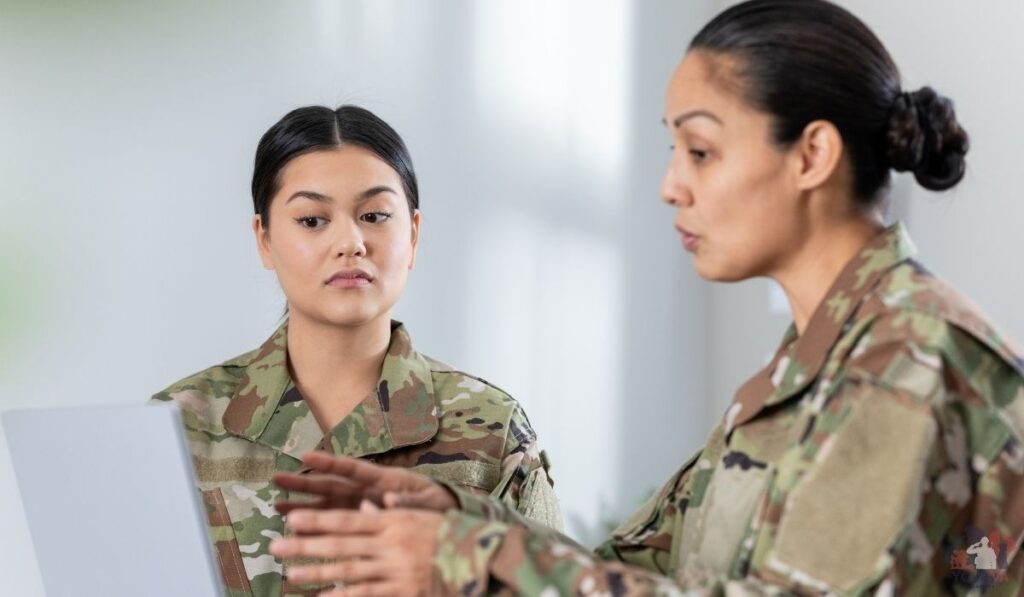
Many women who wore the uniform hesitate to claim the title “veteran.” Often, they view their military service as just a past job rather than a lifelong identity.
This shouldn’t be the case, though. This “not all veterans” mindset usually stems from a false belief that if they didn’t serve in direct combat or a “high-speed” unit, they haven’t earned the right to stand alongside male veterans.
This visibility gap has real-world consequences: we see significantly lower enrollment in VA health care and fewer applications for disability status among women because they don’t want to “take resources” from those they perceive as more deserving.
In reality, whether you served four years or forty, your military experience entitles you to the same VA benefits as any other service member. You aren’t just “someone who served.” You are a veteran, and the system is built for you, too.
Final Thoughts
The data is clear. Women now represent a meaningful and rising share of veterans, reshaping the veteran population at present. This growing population reflects decades of women serving, building skills, leadership, and resilience through real military experience.
Those who served bring unique key characteristics that deserve focused attention, thoughtful policy, and accurate analysis. That’s how support improves for all those who wore the uniform.
Want to learn more or take the next step?
Explore our homepage for practical guides, tools, and resources built to help veterans move forward with confidence.