

We’ve seen a lot of changes in the Veterans Affairs, but nothing quite like this. The VA dropped the average disability claim time from 141.5 days to just 80.7 days and hit a 94.02% accuracy rate on one million claims processed by February 2, 2026.
That speed is a game changer. But from our experience, the real challenge isn’t just filing. It’s knowing which veterans’ statistics actually matter for your wallet and health. This article gives you the latest veteran data from official reports.Consider this your quick guide to the facts about veterans in 2026. We break down population shifts, mental health trends, and exactly how to secure the benefits you earned. No fluff, just clear numbers and what they mean for you. Up next will be your complete guide to achieve 100% VA claim success rate in 2026!
Key Points
- The U.S. veteran population continues to shift in 2026, with a steady decline in total numbers but growth in diversity and female veterans.
- VA claims processing improved dramatically, with average times dropping from 141.5 days to 80.7 days.
- PTSD, mental health support, employment, and housing remain key focus areas with measurable progress.
- Benefits go to millions of veterans for common conditions like tinnitus, hearing loss, and musculoskeletal issues.
- Data helps veterans access the support they earned.
Mapping the Total Veteran Population: Shifting Demographics
The Big Picture
The latest estimates from the Census Bureau and the National Center for Veterans Analysis and Statistics show a clear picture. The total veteran population in the United States sits just under 16 million.
Sounds like a big number, but here’s what we notice: the veteran population is shrinking each year. We track these shifts closely because they affect where military service resources get deployed.
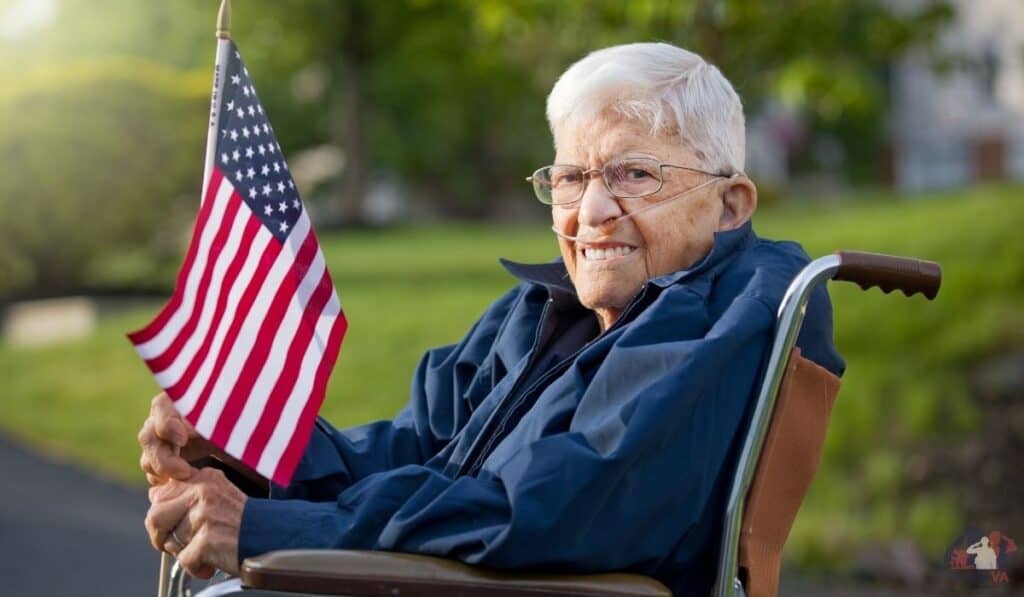
Why the drop? The simple answer is age. Our older heroes from World War II and Korea are passing away. At the same time, fewer younger service members are leaving the military compared to years past.
That combination creates a steady decline. We don’t say this to be grim. We say it because the population shift means the VA and local programs need to adapt—and fast.
Era of Military Service
Let’s break down the living veterans by the wars they served in. The number from Vietnam is dwindling quickly. Meanwhile, the largest group today comes from the Gulf War era.
That includes Gulf War-era veterans who served in the early 1990s as well as those deployed to Iraq and Afghanistan. This military service spans decades. But the needs change depending on when and where someone served.
Want To Increase Your Rating?
Diversity in the Ranks
Here’s a trend we find encouraging. The minority veteran community is growing. When we look at race and Hispanic heritage, the data shows these groups are projected to increase in nearly every county across the country over the next ten years.
That means military service is becoming more representative of America itself.
Breaking Down Gender in the Armed Forces
The Changing Face of Service
Here’s a fact that surprises most Americans. When people picture a veteran, they often imagine an older man. But the reality has shifted.
The presence of women in the armed forces has grown so much that female veterans are now the fastest-growing segment of the veteran community. That’s not a small trend. It’s a transformation.

Statistical Divergence
How do male veterans and female veterans compare? The data shows clear differences. Women who served on active duty face higher rates of certain injuries and different financial pressures after leaving the military.
Male veterans deal with their own set of challenges, but the system was built decades ago. That original blueprint did not account for today’s reality where roughly one in ten veterans is a woman.
Gender-Specific Resource Disparities
Here’s the problem we see most often. Health care models were designed primarily for men. That leaves too many female veterans searching for basic resources like reproductive health or child care during appointments.
Fortunately, Congress is finally pushing legislation to expand gender-specific medical services. It took a long time, but the presence of more women at the table is forcing change.
The True Scale of PTSD and Mental Health
The Invisible Wounds of War
Let’s talk about post-traumatic stress disorder or PTSD. The latest clinical statistics show that roughly 1 in 3 veterans who saw combat will experience PTSD at some point. Military sexual trauma adds another layer.
These aren’t just numbers. They’re your friends, your squadmates, your family members. Many veterans carry these invisible wounds for years without saying a word.
The Crisis of Veteran Health
We can’t sugarcoat this part. Veterans remain roughly twice as likely to die by suicide compared to civilian adults. That gap is unacceptable.
But here’s what the data also tells us. When we look at health outcomes, isolation and delayed care are the biggest drivers. No single survey captures every tragedy. The pattern, however, is clear. The longer a veteran waits, the higher the risk.
The Protective Power of Health Care
Now for the hope. When veterans secure mental health treatment through the VA or community health care providers, the suicide risk declines by nearly 40 percent. That’s a massive drop. One study after another confirms it: Treatment works, reaching out works.
So if you’re struggling, please know that taking that first step cuts your risk almost in half. (Check our full veterans’ mental health statistics breakdown.)

Overcoming Adversity: Employment, Housing, and Homelessness
Getting back on your feet after service takes more than a handshake. It takes a plan. Let’s look at where things stand and where you can find real help.
The Battle Against Veteran Homelessness
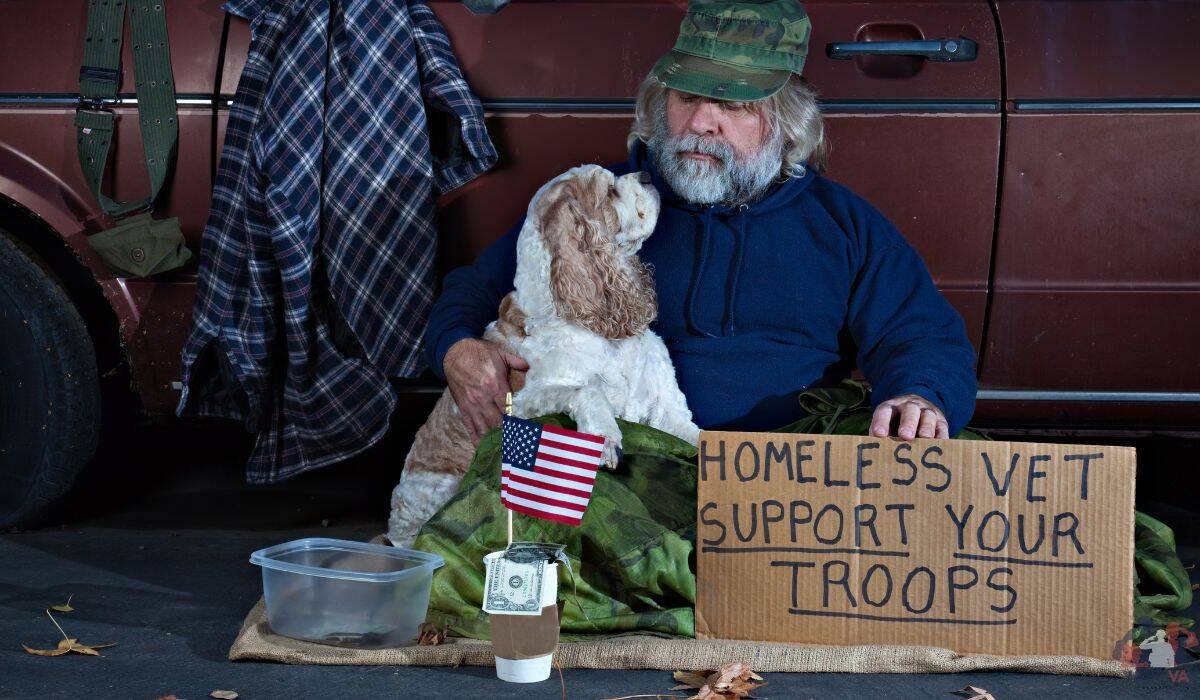
Here’s a number that should grab your attention. On any given night, roughly 33,000 homeless veterans live in America. That’s too many.
But we’ve seen progress. Federal and local society programs have cut veteran homelessness by more than half since 2010.
For instance, the Supportive Services for Veteran Families program helped house over 150,000 vets last year alone. One veteran we worked with went from a shelter in Phoenix to a permanent apartment in just 90 days. That’s what coordinated care looks like.
“The best way to find yourself is to lose yourself in the service of others.” —Mahatma Gandhi
Economic Transition
Leaving the military and finding a civilian job can feel like learning a new language. The latest data shows veteran employment sits at a strong 3.9% unemployment rate. That’s actually lower than the national average. Good news, right?
But here’s the catch. Many vets land jobs below their skill level. For example, a combat medic might take a security guard role instead of pursuing paramedic certification.
Practical tips:
- Update your resume to highlight leadership from service.
- Use VA career counseling sessions right away.
- Target industries that value military experience, like manufacturing or security.
It’ll also help to translate your MOS into civilian keywords on your resume. “Squad leader” becomes “team management and logistics coordination.”
The Location Factor
Where you live changes everything. Some states offer massive property tax exemptions for disabled vets. Others have weak benefits packages. We created a comparison table to help you decide. Here’s what we look for:
Texas: No property tax for 100% disabled vets
Florida: Waived VA loan funding fees
California: High cost of living but strong VA affairs networks
Your location matters more than you think.
Geographical Discrepancies in Veteran Socioeconomic Factors (2026)
| State | Overall Veteran Index Rank | Key Economic & Policy Incentives | Notable Health & Quality of Life Data |
| South Carolina | #1 Overall (WalletHub) | Full state income tax exemption on military pensions; most veteran-owned businesses per capita. | Ranked 3rd overall for best VA hospital care quality in the country. |
| Virginia | #1 Community Support (Smile Hub) | State income tax tax-exemptions on military retirement pay up to $40,000 for ages 55 and up. | Robust corporate veteran employment networks; 3rd highest veteran density per capita (9.1%). |
| South Dakota | #1 Economic Stability (LendingTree) | No state income tax; progressive property tax relief for disabled veterans. | Boasts the lowest veteran poverty rate (5.6%) and highest primary care access rating. |
| California | #50 Overall (LendingTree) | Extremely high cost of living; partial pension taxation depending on retirement tiers. | Lowest veteran employment and financial ranking nationwide; tied for the highest rate of homeless veterans. |
| Oregon | #51 Overall (WalletHub) | Highly restrictive tax policy environments for military retirees. | Ranks last in veteran population retention trends and local organizational support availability. |
Securing the Benefits You Earned: VA Claims and Disability Data
Nobody should have to fight two wars. One overseas and one with paperwork. Here’s how the system changed in 2026 and what still needs work.
Historic Progress in Benefits Processing
Remember the old days? A January claim might not get answered until summer. Well, not anymore. The Department of Veterans Affairs hit a massive milestone in early 2026.
The average processing time for an initial disability claim dropped from 141.5 days to just 80.7 days. That’s a 43% speed boost!
The department processed one million claims by February 2 with 94% accuracy. For example, one Army vet we helped filed in December 2025 and had his rating by mid-February. Unheard of just two years ago.
H3: Why Millions File for Disability
Ever wonder why so many veterans served and then filed a claim? The percentage is high for a reason. Service takes a toll. The top three service-connected conditions tell the story:
- Tinnitus (ringing in the ears): nearly 2.5 million vets
- Hearing loss: over 1.3 million
- Lumbar or cervical strain (back and neck issues): more than 1 million
This veteran data confirms what we see daily. Your body remembers every jump, every ruck march, every long watch. Filing a claim isn’t greed. It’s acknowledgment.
Navigating the Remaining Backlog
The truth, though, is that faster processing doesn’t mean perfect processing. Hundreds of thousands of complex claims still sit in the queue. Things like PTSD from military sexual trauma or rare neurological conditions take longer.
That’s because they need more evidence. More exams, more eyes on the file. And that’s why proper representation helps you secure fair benefits.(See our guides on how many VA facilities there are.)
Final Thoughts
Numbers only matter when they change lives. We just walked through a lot of data: population shifts, processing times, and mental health trends.
But here’s what sticks with us.
Behind every veteran statistic is a real person trying to access what they earned. You don’t need to memorize every figure. Just know the help is out there. Americans have a funny way of stepping up when our country asks. And this country asked a lot of you.
So take what you learned here. Visit our homepage for the tools and guides. We built this site for one reason: to make your next step easier. Go see what fits your situation!