
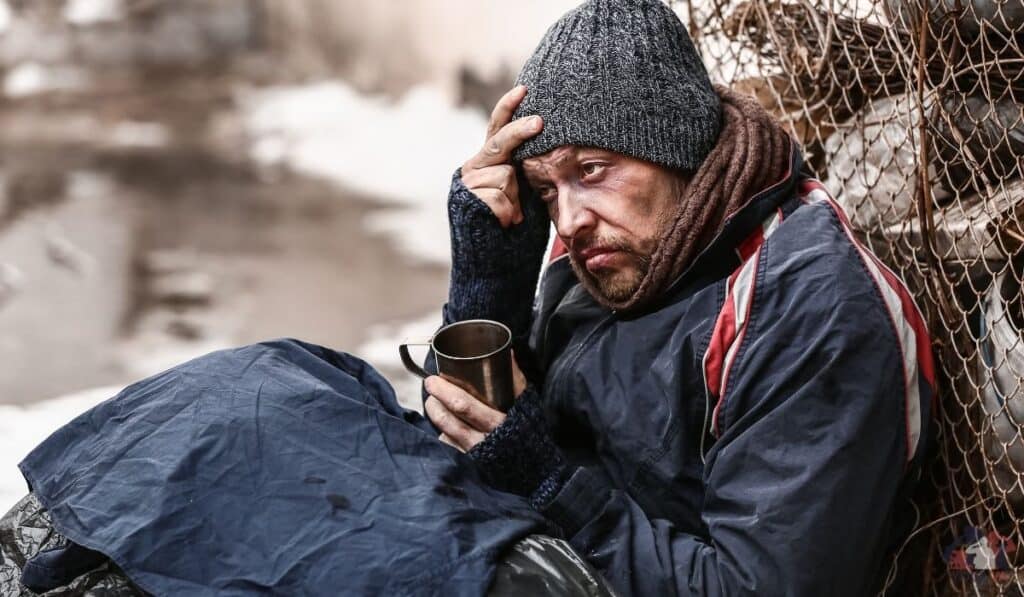
The number of homeless veterans has dropped significantly over the last decade thanks to better services and coordinated support. But thousands of homeless individuals who served still move through each day without stable housing.
Progress across the country has been real, yet, from our experience, it’s still uneven.
Many people still ask what percentage of the homeless population are veterans, and the answer matters because it helps us understand the complex set of challenges facing individuals experiencing homelessness after military service.
A transient nature makes an accurate count difficult, but national trends show where help is working and where gaps remain. This article gives readers a clear picture of the numbers, the causes, and the programs shaping veteran housing today.This post is part of a broader look at veterans statistics. For more facts about veterans, explore our previous article. We will also dive deeper into veterans mental health statistics in a follow-up piece.
Short Summary
- Veteran homelessness affects thousands across the country, and steady solutions require mental health care, housing programs, and long-term support.
- Latest data shows that about seven percent of people without housing are veterans.
- Many veterans struggle with trauma, income gaps, and limited job pathways.
- Federal and local programs like HUD-VASH continue to expand resources and adapt to rising housing costs.
- Early claims guidance, community outreach, and stable assistance make a meaningful difference in long-term outcomes.
The 2026 Breakdown — What Percentage of the Homeless Population Are Veterans?
This section gives readers a clear look at the latest numbers, how counts work, and why accuracy still challenges communities trying to help.

National Numbers That Shape the Conversation
The latest national estimate shows roughly 32,882 veterans counted during the annual PIT review. Those numbers answer a big question: what percentage of the homeless population are veterans?
Roughly 7% of adults experiencing homelessness fall into the veteran category.
Some folks assume the number is higher, yet the data looks steady with slight increases every year due to the national housing shortage. A given night snapshot has limits, though. Counts can miss people staying with friends or moving from place to place.
That transient nature makes an accurate count a challenge for teams in the field.
Why Single-Night Counts Don’t Tell the Whole Story
Communities rely on PIT data collected during a single night. These counts involve volunteers, outreach teams, and homeless service providers mapping out where people stay across shelters, cars, encampments, and other locations.
For example, we’ve seen veterans sleeping in vehicles in one metro area, only to shift to a warehouse or abandoned office the next night. Those movements make flawless counts nearly impossible.
The overall homeless veteran population includes unsheltered veterans and those in transitional housing, and those groups can shift quickly throughout the year.
Want To Increase Your Rating?
Regional Patterns and Legislative Updates
Cities with heavy urban development report higher concentrations of veterans seeking help. A big coordinated effort between local government agencies, outreach teams, and VA services keeps the data updated.
One policy priority in 2026 is the HOME Act (H.R. 3848), which aims to increase the per diem rates the VA pays to organizations housing homeless veterans. With so many population variations across states, the need for better data remains a priority.
Homeless Veterans: Understanding the Faces Behind the Statistics
These numbers represent real people with unique stories, and this section helps readers understand who is most vulnerable and why.
Common Paths That Lead to Instability
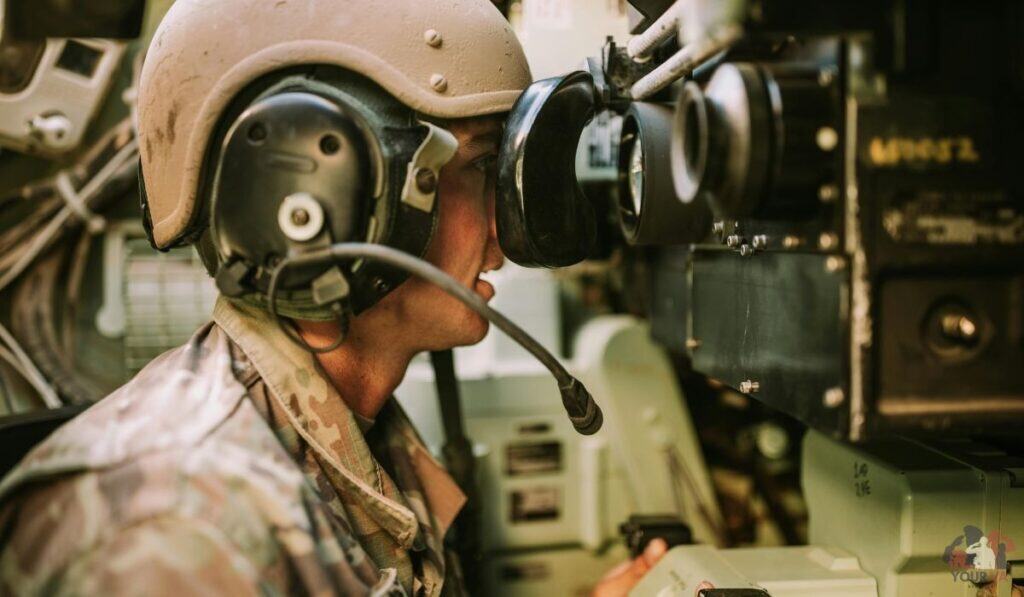
Many homeless veterans come from different parts of the military community. Some are combat veterans, and others are military service members who finished active duty with no solid plan for the next step.
For instance, we’ve met former infantry troops who didn’t know how their military occupations would translate to the civilian workforce. Others spent years in military service and felt lost once civilian life began again.
When people ask how many homeless veterans exist in a certain region, it usually reflects deeper issues that start long before housing problems appear.
Barriers That Grow Over Time
Mental health struggles affect many veterans. Some deal with mental illness, while others navigate substance abuse or long-term mental health difficulties. A few veterans lack stable social support networks, which makes daily progress hard.
We’ve watched folks attempt personal development programs without transportation, documentation, or steady meals. For example, one veteran told us he relied on local churches for nutritional meals before enrolling in case management.
These stories show the barriers that don’t always appear in formal reports.
A Realistic Look at One Veteran’s Turnaround
Progress becomes possible with consistent attention. One veteran transitioned from couch-surfing to a vocational training course after connecting with a small nonprofit. A group near him provided job coaching and basic supplies.
That support helped him rebuild confidence and stay committed to long-term goals. Stories like this highlight the importance of community involvement and steady guidance for service members navigating a rough return home.
National Center for Homeless Veterans: Key Resources and Support
So, what actual services exist to assist homeless veterans? Organizations like the National Center for Homeless Veterans act as central hubs. They bridge the gap between veterans in crisis and the lifelines available to them.
What the Center Does for Veterans Nationwide
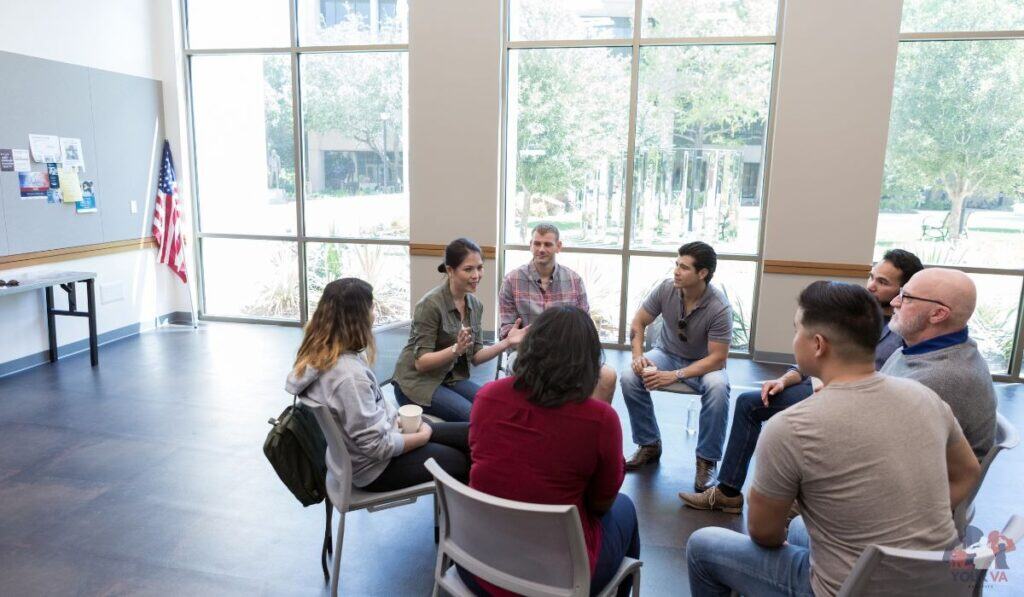
The National Center for Homeless Veterans leads a network that focuses on housing needs, recovery, and long-term stability. It connects veterans to mental health counseling, medical appointments, and outreach services across the country.
A few groups operate around the clock. For instance, we’ve worked with offices that offer emergency placements and transportation support on the same day. That level of dedication helps assist homeless veterans before issues escalate.
Housing Solutions and Health Services That Make an Impact
The center coordinates supportive services that include health care, permanent housing, and planning for family stability. One of the most effective tools is HUD VASH, which combines vouchers with case management.
Veterans gain access to apartments and landlords who understand the program. We’ve seen veterans use this option after months of moving between shelters. VA services like these make transitions smoother.
Some veterans with service-connected conditions rely on claims assistance to stabilize income while adjusting to new routines.
Building Skills, Confidence, and Community
The center also offers job assessment tools and coaching that improve employment prospects. A few communities host workshops that cover resume writing and financial planning. These programs strengthen personal development and build support networks.
For example, one veteran regained steady work after attending three weekends of job prep classes. Veterans who stay connected tend to thrive because multiple services work together to reinforce stability.
Why Are So Many Veterans Homeless? Root Causes Explained
Understanding why a number of veterans are homeless requires looking at a perfect storm of challenges. The causes are often interconnected, creating a cycle that’s difficult to break.
The Invisible Wounds of Service
For many, the journey begins with untreated mental health issues. Conditions like PTSD and depression are common after military service. These mental illness challenges can make daily life a struggle.
They can also lead to substance abuse problems as a form of self-medication. This combo severely disrupts a person’s ability to maintain work and relationships.
Systemic Hurdles and Economic Squeeze
Then come the systemic blocks. There’s a severe shortage of affordable housing nationwide. In 2026, rising rents have outpaced veteran benefit adjustments in many states. The gap between leaving active duty and finding secure housing is a major risk period.
Transitional housing programs exist, but they can’t meet full demand. Long delays in VA claims processing can stall critical financial assistance, deepening the crisis.
A Practical Lesson We’ve Learned
A specific tip we share involves the job market. A veteran trained as a field artillery officer might not see a clear civilian career path. This skill’s translation failure is a huge barrier.
We always advise starting the VA claims process for any service connected condition the moment you separate. This establishes your effective date and can unlock disability compensation sooner.
That compensation can be the difference that keeps secure housing within reach.
Homeless Veterans in the United States: A Nationwide Crisis
The crisis of veteran homelessness isn’t evenly spread. Data shows a clear pattern about 68% of veterans experiencing homelessness are in principal cities, with roughly 32% in suburban areas.
This urban concentration highlights where resources are most desperately needed.
Addressing Diverse Needs
These homeless veterans face unique challenges. Veterans with children, for instance, need solutions for the whole family. Their health care and nutritional meals needs are complex. A coordinated national response is essential.
Federal programs like HUD VASH and the Supportive Services for Veteran Families (SSVF) program are frontline tools. They provide permanent housing vouchers and rapid re-housing assistance.
Policy and Localized Success
Progress relies on a strong coordinated effort between the VA, local government agencies, and nonprofits. Proposed legislation like H.R.1957 seeks to strengthen this further by improving case management and reporting.
The good news? This work gets results. States like Virginia and Connecticut have functionally ended veteran homelessness through intense collaboration. They prove that with the right services and support, this crisis can be solved community by community.
As President Lincoln promised, to “care for him who shall have borne the battle.” That mission continues today.
From Service to the Streets — How Veterans Fall Into Homelessness
The path from serving the country to experiencing homelessness is rarely a single event. It’s typically a slow fade, a series of steps where support systems fail. It often starts with the jarring transition to civilian life.
The Slow-Motion Crisis
Think about the extreme structure of basic training and military life. That framework vanishes upon discharge. Many feel adrift. Untreated service connected injuries or mental health conditions begin to fester.
A veteran might avoid seeking help due to stigma. Isolation grows as their military community scatters. Without placement assistance for jobs, financial pressures mount. One missed rent payment can start the slide.

Why Early Action is Everything
A common story we hear involves pride. A veteran thinks, “I handled war, I can handle this,” and tries to tough it out alone. They don’t file for VA benefits or seek community resources. By the time they ask for help, they’re already in crisis.
This is why we say prevention is the top priority. Connecting with Veteran Service Officers (VSOs) and local nonprofits before the crisis hits is the single best defense against becoming veterans homeless.
A Simple, Powerful Step
Consider this actionable step. If you’re transitioning out, visit your local VA medical center’s Homeless Program office before your last day. Get your name on their radar and learn about prevention programs.
This one visit can create a safety net. It’s easier to stay housed than to get re-housed once you’ve lost your home. Making that connection early is the key.
Final Thoughts
Ending veteran homelessness is a goal within our reach. Success hinges on connecting the right dots: robust mental health support, stable housing solutions, and truly coordinated services.
A powerful lesson is that early action prevents crises. Filing a VA claim promptly and seeking guidance can secure vital benefits long before a veteran is at risk.
This mission needs all of us. You can assist homeless veterans by supporting local organizations and spreading awareness. Real change is built by the community.
For more ways to help and deeper insights, we invite you to visit our homepage. Let’s continue this important work together.