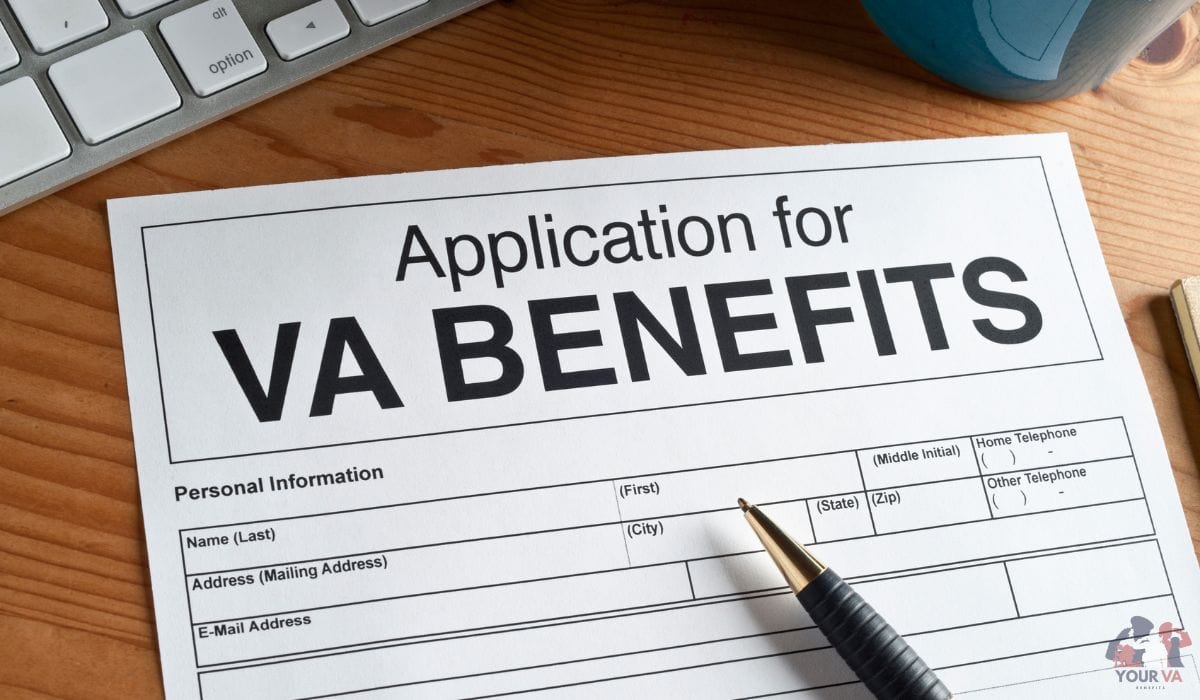


It’s frustrating but true. Small errors in a VA disability claim filing can turn into huge delays. From our experience, too many veterans miss out on the compensation they rightfully deserve because of preventable missteps.
In a span of one year, mistakes in VA disability claim filing have left thousands without monthly benefits, costing the veteran community hundreds of millions of dollars.
A single oversight, like missing a key document or submitting inconsistent information, can derail a claim for months or longer. This article walks through the most common VA disability claim filing mistakes and how to avoid them.
If you’re getting ready to file, thinking about appealing, or helping a loved one navigate the process, you’ll learn how to build a stronger case from the start.
For those who are still figuring out what happens after VA claim submission, this piece adds clarity before the next steps kick in. If you’re wondering about secondary action required VA claim, stick around. We’ll point you to resources that can help.This post also connects back to our full guide on initial va disability claims filing if you need to revisit the big picture.
Key Points
- Simple mistakes in your VA disability claim filing can lead to denied or delayed benefits.
- The most common issues involve weak medical evidence, missing service treatment records, and failing to use the latest DBQ forms.
- A clear service connection between your current disability and your time in military service is critical, unless you qualify under new presumptive PACT Act guidelines.
- Ignoring secondary conditions and forgetting buddy statements can weaken your case.
- Utilizing the VA’s digital upload portal correctly improves your chances of a faster Decision Ready Claim.
- You can avoid costly delays by using a proven method, seeking expert guidance, and leveraging Veterans Affairs resources.
The Most Common VA Disability Claim Filing Mistakes Veterans Make
Getting your VA disability claim approved hinges on avoiding simple errors. There’s a lot to track, and if you miss just one thing, it can throw off the entire process. These are the most common missteps veterans make when filing in 2026:
- Not checking for presumptive status. Many veterans still try to prove a “nexus” for respiratory or cancer-related issues that are now automatically linked under the PACT Act expansions. You might be doing extra work for a link the VA already concedes.
- Missing or incomplete medical records can sink your claim before it even gets reviewed. In 2026, the VA relies heavily on digital indexing. If your records are disorganized or not in a searchable format, they may be overlooked during the initial automated screening.
- Insufficient medical evidence means the VA can’t justify a higher disability rating. With the recent updates to the VA Schedule for Rating Disabilities (VASRD) for mental health and respiratory issues, you must ensure your evidence matches the newly modernized criteria.
- Inconsistent statements on forms or during your C&P exam can cause serious delays. If your story changes even a little, it raises red flags. Stay clear, stay consistent.
- If you miss deadlines for submitting additional evidence, your claim can stall or get denied. The VA doesn’t wait forever. When they ask for more, get it in on time.
These errors are avoidable. Most happen because many veterans aren’t sure what’s expected or how much detail matters. That’s completely understandable. The key is knowing what to look out for and getting ahead of it.

Medical Evidence Mistakes That Kill Your Claim
Medical evidence is the heart of a strong VA disability claim. Without it, even a legitimate condition can get ignored. These are the most damaging mistakes we see again and again.
Not checking for presumptive status. Many veterans still try to prove a “nexus” for respiratory or cancer-related issues that are now automatically linked under the PACT Act expansions. You might be doing extra work for a link the VA already concedes.
Missing or incomplete medical records can sink your claim before it even gets reviewed. In 2026, the VA relies heavily on digital indexing. If your records are disorganized or not in a searchable format, they may be overlooked during the initial automated screening.
Relying only on old service treatment records won’t cut it. The VA wants to see how your condition affects you now. Update your file with recent visits, tests, or treatments.
A missing medical opinion linking your disability to your time in uniform can stop your claim cold. This link is essential. A doctor needs to clearly connect the dots for the VA examiner.
Many claims fall short because they don’t explain how the condition affects daily life. Things like disrupted sleep, trouble working, or pain during basic tasks need to be clearly stated. Don’t hold back.
Secondary conditions, like depression linked to chronic pain, often get ignored. If a health issue developed because of another service-related condition, make sure it’s included.
Buddy statements and personal letters might seem small, but they’re powerful. If someone served with you and saw what happened, their words can add weight to your claim. Same goes for statements from family members who see the impact daily.
The truth is, building strong medical evidence takes effort. But it’s worth it. Getting this part right can make the difference between a low disability rating and getting the full VA benefits you’ve earned.
Want To Increase Your Rating?
Key Medical Evidence Checklist
| Essential Evidence Type | Why It Matters | Common Pitfall |
|---|---|---|
| Presumptive Review | Saves time by utilizing PACT Act shortcuts | Attempting to prove a link the VA already accepts |
| Current DBQs | Modernized forms speed up the decision process | Submitting outdated forms the VA no longer uses |
| Functional Impact | Required for modern 2026 rating schedules | Reporting symptoms without showing life limitations |
| Digital Records | Allows for faster AI-assisted claim sorting | Submitting blurry, unsearchable paper scans |
| Digital Records | Crucial for non-presumptive conditions | Missing the professional link to service |
How These Filing Mistakes Cost You VA Benefits
Most filing errors don’t just slow things down. They can cut deep into your VA disability benefits. Even small mistakes can lead to long waits, lower ratings, or worse, denied claims.
- Denied claims can leave you without any monthly compensation for months or even years. With the 2026 monthly rate for a 100% rating exceeding $3,800 for a single veteran, a one-year delay can cost you over $45,000 in lost backpay.
- A low disability rating means your condition wasn’t fully recognized. That results in less VA compensation, even when your condition affects your daily life significantly.
- Fixing mistakes later often means dealing with the appeals process, which in 2026 still averages over a year for some hearing lanes. Filing correctly the first time is the only way to avoid this bottleneck.
- These issues don’t only affect the veteran. Delayed or reduced disability benefits can place serious pressure on families who are already juggling enough.
When these problems stack up, it’s easy to feel stuck or unsure about what to do next. But knowing what to avoid gives you the upper hand before the VA makes a decision.

How to Avoid These Costly Mistakes and Win Your Claim
Avoiding trouble is a lot easier than fixing it after the fact. Here’s what works when it comes to building a strong case for your VA disability claim.
- Avoiding trouble is a lot easier than fixing it after the fact. Here’s what works when it comes to building a strong case for your VA disability claim.
- Leverage “Decision Ready” standards. Before filing, get your medical records in order. That means service records, completed DBQs, and any documents that show how your condition affects you.
- Prep for your C&P exam. Make sure you know what the VA examiner is looking for. Be aware that examiners now use updated diagnostic criteria. Be clear, honest, and consistent.
- Use a proven strategy. We’ve helped thousands of veterans and have developed a step-by-step approach that can significantly improve your chances of approval.
- Know when to ask for help. Filing alone is possible, but there are times when expert guidance makes all the difference. Don’t wait until you’re stuck.
You don’t have to figure all of this out without support. The process may be tricky, but a solid plan keeps you from running in circles. There’s a better way to file! And it starts with being prepared.
Final Thoughts
Filing a VA disability claim doesn’t have to feel confusing or drag on for years. We can help simplify it for you. We’ve helped thousands of veterans avoid common mistakes with a 96% success rate using expert coaching, 24/7 support, and a proven process that actually works.
Don’t let avoidable errors keep you from the VA disability benefits you earned through service. Get a free claim review and see how we can help you move forward with confidence. Visit our homepage to learn more and get started today.