

Good news: the VA is moving faster these days. Fully completed online VA disability claims now get decided in about 85 days. That’s significantly quicker than before!
Getting your timing right can make all the difference in how quickly and how much disability compensation you receive. But there’s a catch: From our experience, the VA won’t remind you when the clock is ticking. That’s where this guide steps in.
We’ll explain the critical online VA disability claims filing every veteran must know for 2025. Understand these steps, and you’re in control of your disability benefits timeline.
Knowing these phases makes the difference between getting the VA disability benefits you earned soon or waiting much, much longer.
You’ve learned about VA disability claim filing deadlines. Next, discover what happens after VA claim submission. For a deeper dive into starting strong, explore our pillar post on initial va disability claims filing
Key Takeaways
- Avoid 3 big claim killers: weak evidence, form errors, and missing your intent to file a deadline.
- Follow our 3-phase process: Prep smart, file accurately on VA.gov, then track your review.
- Lock approval with the evidence trifecta: current diagnosis, service records, and a strong nexus.
- Maximize 2026 COLA increases – expert coaches boost success rates to 96% and protect your benefits.
Why Most Online VA Disability Claims Fail (And the 3 Critical Mistakes to Avoid)
Too many online VA disability claims get denied. Shocking, right? Most denials trace back to three avoidable errors:
- Weak Evidence for Service Connection: Many veterans fail to gather enough medical evidence proving their injury or illness started during active duty service. Without this proof, establishing the crucial service connection fails. Strong evidence is non-negotiable.
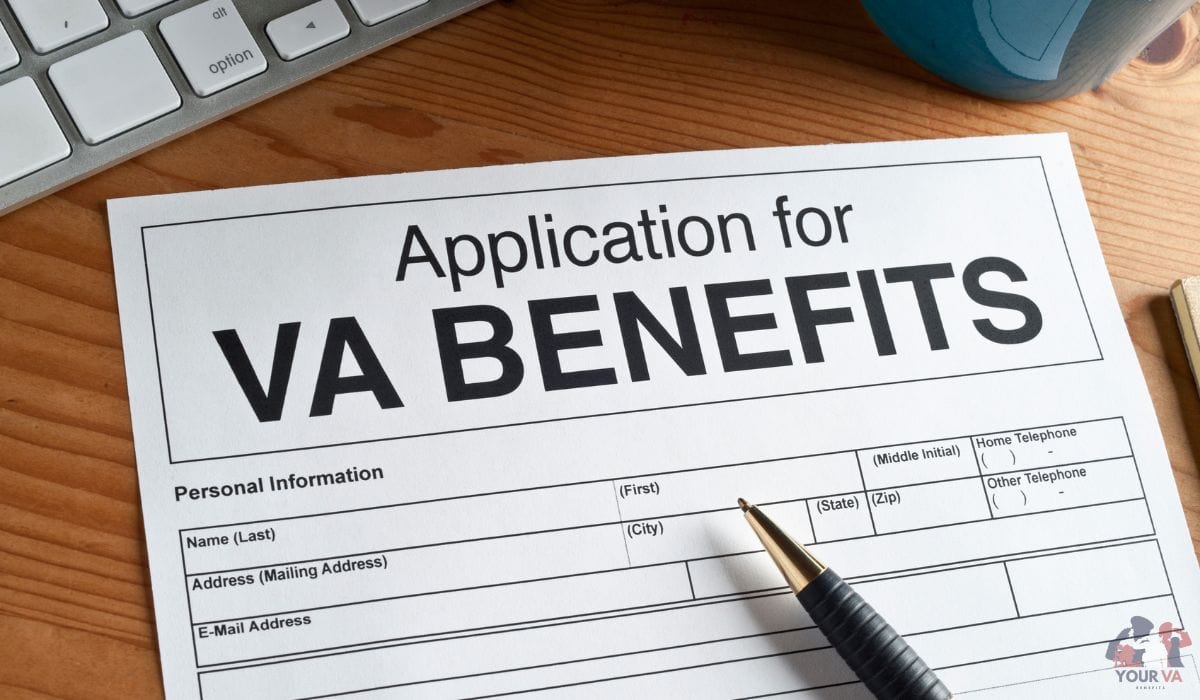
- Botching the VA Form 21-526EZ: Simple mistakes or missing info on your application for disability compensation sink claims fast. An incomplete or incorrect VA Form 21-526EZ creates instant delays or denials. As of 2026, the VA’s automated screening AI will flag these errors immediately, potentially stalling your claim before a human even sees it.
- Skipping the Intent to File: This is the biggest technical slip. Failing to submit your intent to file before gathering all your evidence is disastrous. Missing this one-year deadline risks losing months of back pay at the new, higher 2026 pay rates. Always file your intent first to protect your effective date.
Busted Myths Making Things Worse:
- “I can’t use private medical records!” FALSE. The VA must consider them under the 2026 “duty to assist” guidelines.
- “Filing alone is always better!” Often a costly myth. Expert help prevents errors.
Avoid these three traps and ditch the myths. Focus on solid evidence to support your disability claim right from the start. Boost your approval odds significantly.

Step-by-Step Guide to Filing Online VA Disability Claims That Win
Ready to file a winning VA disability claim? Follow this clear path.
Phase 1: Smart Prep Before You File
Don’t rush the process. Start by gathering your VA medical records strategically. Pull relevant private medical records too. Secure powerful buddy statements from those who witnessed your injury or condition.
These add crucial context. Then, immediately submit your intent to file.
Note: In 2026, simply starting your application on VA.gov usually saves your “Intent to File” date automatically.
Phase 2: Master the Online Filing
Head to the official VA.gov portal. Navigate like a pro. Complete the VA Form 21-526EZ meticulously. Ensure you check for “Presumptive Conditions” like hypertension, which now has expanded eligibility as of late 2025/early 2026.
Upload all your gathered evidence directly through the site. Ensure documents clearly support your disability claim. Double-check everything before you submit.
Phase 3: After Submission
The VA begins its review. With the 2026 goal of an 85-day turnaround, they might request additional evidence very quickly. Respond promptly. Understand the decision review options if needed.
This structured approach removes guesswork. It builds a strong case for your veterans disability benefits. Focus on thorough preparation and accurate filing.
Essential Evidence That Guarantees Your Service Connected Condition Gets Approved
Building a rock-solid disability claim hinges on the right evidence. Forget guesswork. Focus on these essentials. The core foundation is the medical evidence trifecta:
- Current Diagnosis: Get a clear diagnosis from qualified doctors. This proves your disability exists now.
- Service Records: Link your injury or illness directly to your military service. Your active duty service records must show the event or aggravation.
- Medical Nexus: This crucial link connects your service-connected event to your current disability. A doctor’s opinion stating it’s “at least as likely as not” related is vital.
Want a higher disability rating? Go beyond the basics:
- Show how your condition got worse since service. New medical evidence tracking progression is key.
- Identify secondary conditions. New issues caused by your primary service-connected condition can boost compensation. With the 2.8% COLA increase for 2026, even a 10% increase in your rating results in more significant monthly gains than in years past.
- Explore special circumstances. Severe needs might qualify you for aid and attendance benefits, adding significant support.
Pro Tips for Bulletproof Evidence
- Craft powerful personal statements. Detail how your injury affects daily life. Be specific.
- Consider working with the Preferred Provider Network (PPN). Their doctors understand VA nexus requirements, strengthening your medical evidence.
- Keep documents organized. Clear records make the review process smoother.
- Gather this evidence to support your claim effectively.
When to Get Expert Help vs. Filing Your VA Disability Claim Alone
Deciding to file a VA disability claim solo or get help is big. Let’s figure out the best path for you. Ask yourself: Are you truly ready for this complex process?

Veterans who often succeed alone usually:
- Understand VA regulations inside out.
- Feel confident gathering complex medical evidence and nexus opinions.
- Have ample time and patience for the detailed review process.
Red flags suggesting you need help:
- Feeling stressed or daunted by the forms and evidence requirements.
- Having multiple conditions or complex service connection issues.
- A previous claim denial or low disability rating.
Going it wrong has hidden costs. A low disability rating isn’t just less monthly pay. It can cost you over $115,000 in lost tax-free benefits over your lifetime when adjusted for 2026 inflation! That’s life-changing money.
Accredited representatives can assist in filing because they know the system deeply.
Your Next Step:
- Explore free resources for eligible veterans (like VSOs).
- Consider expert guidance. It transforms your claim from stressful guesswork to a clear path toward the veterans disability benefits you earned.
- Get the support needed to maximize your rightful compensation. Take control of your benefits future.
Final Thoughts
You now have the roadmap to successfully navigate your online VA disability claim. Getting the disability compensation you earned shouldn’t feel like an uphill battle. Remember, thorough evidence and smart timing are your best tools.
Feeling unsure about tackling this alone is normal. Our veteran coaches have helped thousands achieve a near-perfect 96% success rate with their VA claims. Why risk leaving money and vital benefits on the table?
See how simple getting your rightful veterans disability benefits can be. Explore your options today at Your VA Benefits Take your next step confidently!