


Getting your VA disability claim approved can feel like an uphill battle. With about 551,000 pending claims in the VA system right now, a unique piece of evidence can make all the difference.
That’s where a powerful lay evidence tool comes in. This guide will show you, step-by-step, how to master the VA witness statement form to strengthen your case and secure the VA benefits you deserve.
Think of this as part of your essential claims toolkit.
Check our previous article for the VA form 21-10210 pdf. Look ahead to the nexus letter for migraines secondary to tinnitus for more help tying things together. Our main guide covers the VA secondary claim form too when needed.
Key Points
- VA Form 21-10210 helps tell the human side of a disability when paperwork feels incomplete.
- Clear, specific lay evidence can strengthen a VA claim and speed up review.
- Accurate details, dates, and observations matter more than medical labels.
- Strong witness statements often improve eligibility and final outcomes.
What Is VA Form 21-10210? Understanding Lay Evidence
This section clears up what this form actually does and why it carries real weight in a VA claim. We also explain who can use it and how it fits into today’s veterans affairs process.
Defining VA Form 21-10210
VA Form 21-10210 is the standard VA form used to submit a lay witness statement or witness statement. It allows a real person to explain what they saw, heard, or experienced related to a veteran’s condition.
This form captures firsthand testimony that medical files often miss.
For example, a veteran may describe when symptoms first appeared during military service, or how an injury changed daily life afterward. That perspective helps the VA understand the full story behind the paperwork.

Who Can Use This Form?
This form applies to more people than most realize. It can be completed by:
- A veteran filing on their own behalf
- A spouse or family member who sees daily limitations
- A service peer submitting a buddy statement
- Someone who knew the veteran before and after service
As an example, a coworker may explain how a veteran struggled to stand for long periods after returning home. That type of witness statement adds clarity no chart can provide.
Legal Weight of a Lay Witness Statement
A completed VA form 21 10210 counts as relevant evidence under VA rules. The form includes sworn declaration language tied to the Privacy Act, which gives the statement legal standing.
This matters because the VA has a duty to assist. When credible lay testimony appears, the VA must consider it alongside medical opinions.
VA Form 21-10210 vs. VA Form 21-4138
VA Form 21-4138 served as a general statement form for years. Today, VA Form 21-10210 stands as the approved format for formal lay submissions.
For instance, short notes once filed on the older VA form 21 4138 now belong on the updated form. That shift helps standardize evidence review and reduces confusion during processing.
Want To Increase Your Rating?
How to Fill Out the VA Witness Statement Form for Maximum Impact
This section breaks down how to fill and complete the form so it actually helps your case. Small details matter here, and clear writing makes all the difference.
Identifying Information Section
Start with accuracy. Enter the full name, social security number, and date of birth exactly as they appear in VA records. Include a current mailing address.
For example, a wrong digit in the social security number can delay review for weeks. Double-checking saves time and frustration.
Writing the Statement (Section III)
This section explains what happened during military service. A few things to remember:
- Stick to facts you personally observed.
- Skip medical labels and leave the diagnosis to a medical professional.
As an illustration, describing frequent nightmares or missed workdays works better than naming a condition. Clear description and specific details help raters understand the situation.
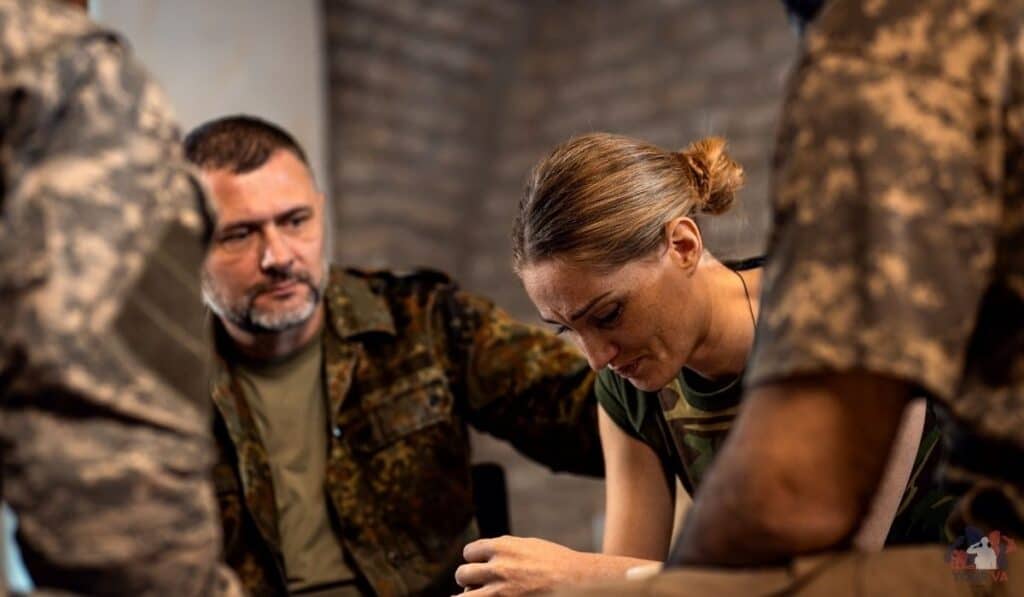
Writing for Specific Conditions
Some conditions rely heavily on lay statements:
- Posttraumatic stress disorder and stressor events
- Military sexual trauma when records feel incomplete
- Physical injuries that limit movement or strength
For instance, a spouse might explain how a veteran struggles to lift groceries due to a shoulder injury. That real-world example supports the current condition.
The “Before vs. After” Evidence Framework
Strong statements follow a simple flow.
- Life before illness or injury
- Circumstances surrounding the event
- Life now and daily limitations
Picture a statement that explains weekend hiking before service, then chronic pain afterward. That contrast helps the VA connect the dots.
Final Steps Before Submission
Never forget to sign and date the form. An unsigned statement has no value. You can use a pdf version for digital submission or print and mail the paper form.
Submit it as part of your initial claim or as additional evidence during an appeal. Keep a copy for your records. How you send it is less important than ensuring it gets there. Confirm the VA receives it.

Why Lay Evidence Is Essential for Your Service-Connected Disability
This section explains why personal statements often decide outcomes. We cover missing records, the medical nexus, appeals, and 2026 standards.
Bridging Gaps in Missing or Silent Medical Records
Older files go missing more often than people expect. Paper charts, base closures, and rushed field treatment leave gaps in medical records.
Personal statements fill those gaps with context. For instance, a teammate may recall a blast exposure date that files never captured. That account helps prove a service connected disability when official notes stay silent.
Supporting Medical Evidence and the Nexus
Medical evidence confirms diagnosis. Lay statements show frequency and severity, which drive disability compensation.
Consider this scenario: a clinician documents migraines, while a coworker explains weekly absences and light sensitivity. That additional information supports the nexus and strengthens the process for benefits review.

Using Witness Statements for Appeals
Appeals hinge on additional evidence that feels new and relevant. A clear statement often meets that standard.
As a practical tip, include dates, locations, and observed changes. This approach helps an appeal reopen and move forward through the department review.
2026 Standards and Presumptive Conditions
The current program gives credible statements more weight, especially for conditions covered by the PACT Act. Respiratory illnesses and toxic exposure cases see faster consideration.
We often see outcomes change when statements align with presumptive rules. As Maya Angelou said, “People will never forget how you made them feel.” Clear stories still matter.
Final Thoughts
Strong witness statements change outcomes for veterans more often than people expect. When folks use this form the right way, VA raters see the full story behind a claim.
Careful prep and a quick double-check before you file make a real difference. Take time to review every detail. Honest, clear words boost eligibility and speed up benefits. Good support from family or buddies often tips the scales.
Head over to our homepage anytime for more tips on the VA process and other helpful documents. We keep adding fresh guides to make things easier. Drop us a line if you need extra pointers.