

Veterans Affairs finished more than 2.5 million disability compensation and pension claims in fiscal year 2024, a record high and a 27% jump from the year before.
That’s a lot of movement through the system, yet most veterans still want to know one thing before they file: what percentage of VA claims are denied?
From our experience guiding veterans through the claims process, the number matters less than knowing what to expect next.
This article breaks down the current denial rate, the reasons behind a rejected disability claim, and what happens after that first initial decision arrives from Veterans Affairs.
Curious why does the VA deny so many claims in the first place? We break that down separately.
Once a decision comes back unfavorable, the higher-level review success rate becomes the next question worth answering, and our full guide on the VA claim success rate ties everything together.
Key Points
- The VA denies roughly 30% of disability claims each year, with an approval rate near 64.6%.
- Nearly 40% of veterans wait more than four months for a rating decision, often due to regional backlogs.
- Most “not service connected” denials come from a missing or weak nexus, the medical link between a diagnosis and a service event.
- Paperwork errors and missed C&P exams cause many preventable denials.
- PTSD, tinnitus, and other hard-to-measure conditions face tougher scrutiny and need stronger personal evidence.
- Presumptive conditions under the PACT Act skip the nexus requirement entirely.
- Veterans have one year to file a supplemental claim or request a Higher-Level Review after a denial.
- Board appeals succeed or get remanded close to two-thirds of the time, especially with representation.
What Percentage of VA Claims Are Denied Each Year?
The short answer sits around 30%, but that number tells only part of the story. Here’s what the data actually shows once we break it down by outcome and by region.

The Current VA Claim Denial Rate
Let’s get straight to the number you came here for. The VA denies close to 30% of disability compensation claims each year, while roughly 64.6% get approved. That grant rate sounds solid, and it is, but three claims out of ten still walk away with a rejection letter.
For example, a veteran filing an initial claim for a bad knee might get approved in one region and denied in another for the exact same condition. That gap comes down to evidence, not luck. A strong initial application backed by medical records tends to beat a thin one every time.
Why Some Regions and Processing Delays Skew the Numbers
Nearly 40% of veterans wait more than four months for a rating decision. That wait isn’t random.
- Regional offices carry different caseloads, and some are buried deeper than others.
- Staffing shortages slow down file reviews.
- System errors and lost paperwork add extra weeks nobody budgeted for.
The data from VA’s own claims reports backs this up: processing times and accuracy rates vary by regional office, and that variation quietly drags down outcomes in certain areas. A slower office isn’t necessarily a worse one, but delays do create more room for mistakes to creep in.
Want To Increase Your Rating?
Why Do VA Claims Get Denied for Not Being Service Connected?
This is the single biggest category of rejections, and it usually comes down to one of two things: a missing legal link, or an avoidable paperwork slip. Let’s look at both.
The Nexus Requirement: The Number One Reason Claims Fail
Every successful claim needs three things to line up. Miss one, and the whole thing falls apart.
- A current diagnosis from a medical professional
- A documented in-service injury or event
- A nexus letter connecting the two
That third piece, the nexus, trips up more veterans than anything else. Think of it as the bridge between what happened in service and what’s wrong now. No bridge, no service connection, no benefits.
For instance, a veteran with chronic back pain might have solid medical records and a clear service injury on file. If nothing ties the two together in writing, the VA has no legal reason to connect them. That’s the gap a nexus letter is built to close.
Paperwork Errors, Missed Exams, and Other Preventable Denials
Plenty of VA denied decisions have nothing to do with whether a condition is real. They come down to process.
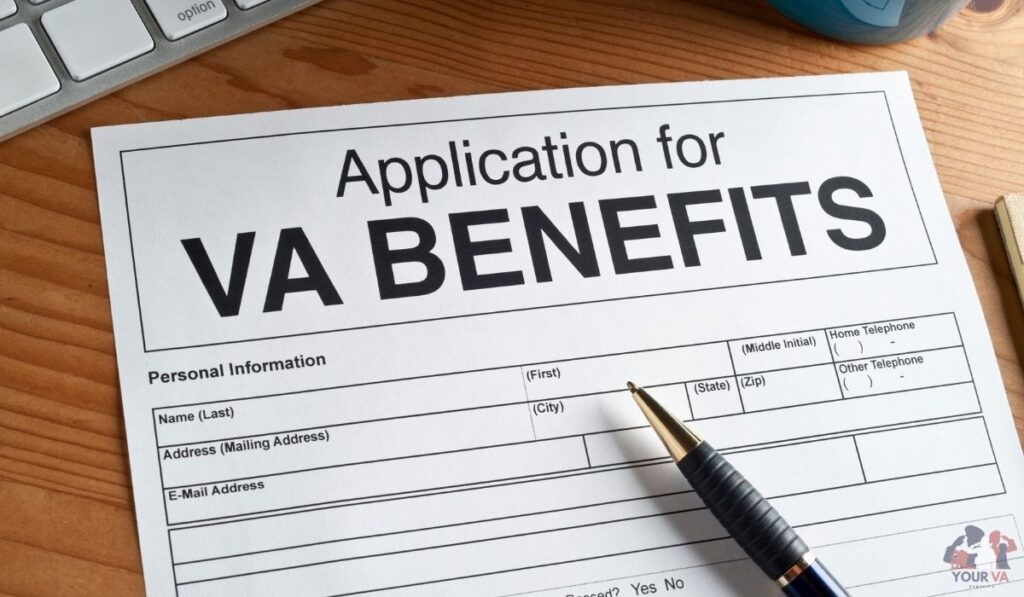
- Incomplete or incorrectly filled out forms
- Missed C&P exams (short for Compensation and Pension exams, the medical appointment VA uses to confirm a condition and its severity)
- Thin or missing evidence to support the claim
As Maya Angelou once put it, “Nothing will work unless you do.” That applies here too. A claim denied over a missed exam or a skipped signature is a claim that had real merit and lost anyway.
Take a veteran who qualifies on paper to receive disability benefits but misses a rescheduled C&P exam because the notice got buried in the mail. That single missed appointment can stall a payout for months.
Families count on that income, and a preventable denial hits the budget just as hard as a legitimate one. The good news is that these are the most common reasons claims fail, and they’re also the easiest to fix before filing.
What Is the Hardest VA Claim to Get Approved?
Some conditions are simple to prove. An X-ray or a scar can tell the story accurately. Others, meanwhile, live entirely in symptoms. That’s where things get tricky.
Mental Health and Hard-to-Measure Conditions
Post-Traumatic Stress Disorder (PTSD), depression tied to a physical injury, tinnitus, and chronic fatigue are among the toughest claims to win. None of these show up on a scan the way a torn ligament does.
Here’s the catch: the VA still applies strict guidelines to rate them, even without a visible wound. For example, a veteran with tinnitus has to prove the ringing started during military service and hasn’t let up since. That’s a tough case to build from memory alone.
Why These Claims Require Stronger Supporting Evidence
Disability ratings for these conditions hinge on one core question: how much do symptoms limit daily life and work? The rating isn’t about the diagnosis itself. It’s about the extent of the impact.
That’s why personal statements matter here more than almost anywhere else in the process. A spouse’s letter describing sleepless nights, or a coworker’s account of missed shifts, can carry real weight.
Think of it this way: if a military doctor documented the injury back then, a civilian reports what it looks like now.
Are There VA Claims That Cannot Be Denied?
No claim gets a free pass. Some paths are faster, though, and it helps to know which ones and what comes next if a decision doesn’t go your way.
Presumptive Conditions Under the PACT Act
No claim is automatically approved, either. But certain conditions get a shortcut. Under the PACT Act, illnesses linked to toxic burn pit exposure or Agent Orange are presumed to be service connected.
Veterans still have to be eligible and file correctly, but they skip the uphill nexus battle since the government already accepts the link exists.
That’s a meaningful head start. It’s not a guarantee, but it does remove one of the biggest hurdles from the table.
What to Do If Your Claim Is Rejected
Winston Churchill said it best: “Success is not final, failure is not fatal: it is the courage to continue that counts.” A denial letter isn’t the final word.
Veterans have one year from the initial decision to act. The appeals process offers two solid first moves:
- File a supplemental claim with additional information the VA hasn’t seen yet
- Submit a Higher-Level Review request, where a senior reviewer takes a fresh look at the same file

If those don’t pan out, an appeal to the Board of Veterans’ Appeals is next. Cases there succeed or get sent back for another look close to two-thirds of the time, and that number climbs when an attorney or accredited representative is involved.
Some cases move further still, all the way to court. Either way, professional assistance tends to strengthen a case built to protect disability benefits or pension income for the long haul.
Final Thoughts
Thirty percent sounds like a lot. But here’s the truth we’ve seen play out time and again. Most denials come down to missing evidence, not a weak claim. The VA doesn’t reject veterans. It rejects incomplete files.
A denied application isn’t the end of the road. Think of it as a sign to fill in the gaps and add more proof to your file. You earned those VA benefits. The system just needs the right paperwork to say yes.
Our free claim diagnostic tool can show you where your application stands and what pieces might be missing. Visit the homepage to get started and take the guesswork out of your next step. Your support system starts here.