Published 18 September 2026
VA disability back pay is money the Department of Veterans Affairs owes you for the months between your effective date and the date it approves your claim. The VA generally pays that back pay as a lump sum payment once your disability benefits are awarded.

Last year, veterans affairs processed more than 2 million disability claims faster than ever before, over a month quicker than the previous record, and paid out more than $120 billion in compensation and pension benefits.
Even at that speed, the average claim still took roughly 132 days to process. Appeals can also drag on for years. That gap between filing and approval is exactly what creates back pay.
From our experience, most veterans have no idea how large that number can grow until it shows up on their decision letter.
If you’re already weighing VA disability and social security together, or wondering how VA special monthly compensation might change your monthly total, this article picks up right where those conversations leave off.
Here, we’ll walk through how the VA calculates that lump sum, how your effective date sets the amount, and what to check on your decision letter before it arrives.
Once the VA approves your claim, the math behind your check comes down to one formula and one date. Here’s how that number actually gets built.

VA disability compensation runs on a simple formula. Take your new monthly compensation rate, subtract your old rate, then multiply that difference by the number of months between your effective date and your approval date.
If you had no prior rating, your old rate is zero. The result is your lump sum back pay, before COLA or dependency adjustments get factored in.
Numbers make this real. Say a veteran had no prior VA disability rating and gets approved for 70% disability rating, no dependents, with an effective date 18 months before the approval letter arrives.
In 2026, that rating pays $1,808.45 a month, according to the current VA compensation rate table.
Multiply that monthly rate by 18 months, and the back pay comes to $32,552.10. No prior payment to subtract, no dependents to add. Pretty straightforward, honestly.
What happens if that same claim is stretched across three separate calendar years instead of one? That’s where COLA comes in.
Two things can shift that total:
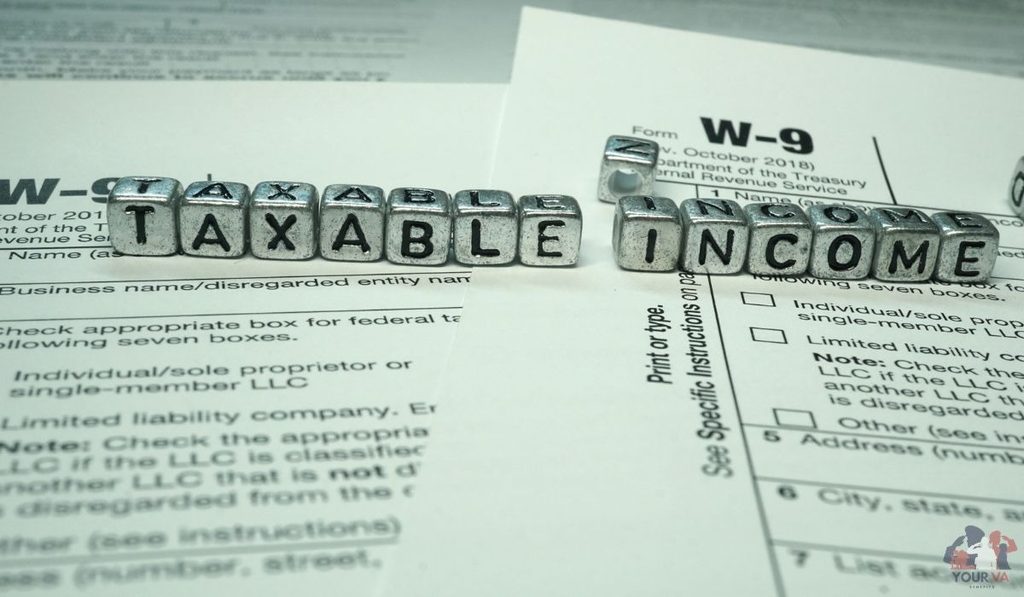
Good news here. Back pay never shows up on a federal tax return, since VA disability compensation isn’t taxable income.
Your rating decides how much you get each month. Your effective date decides how far back that payment reaches, which makes it the real driver behind your back pay total.
Three scenarios set this date, and each one changes how far back your VA disability claim reaches.
Miss the paperwork window on any of these, and the effective date moves to whatever’s on file. That’s the VA’s default position, not a negotiation.
One important thing to remember: an intent to file locks in a date up to 12 months before your formal claim. The VA still pays back to that earlier date once approved.
Say a veteran files an intent to file in January, then submits the full VA claim in June. The effective date still lands in January.
Go back to our 70% example: add 12 more months at $1,808.45, and that back pay grows by $21,701.40. One form, filed early, buys you an extra year of payments.
Paperwork protects the date, but evidence proves it belongs there. The VA looks for continuous medical evidence and service records showing your service-connected disability existed when the date entitlement arose.
For instance, a veteran who stopped treatment for two years after leaving active duty often sees the VA push the date later. A gap in service records is the usual reason an effective date doesn’t land where the veteran expected.

Getting the rating right is only half the battle. If the effective date on your decision letter looks off, don’t worry too much. You still have options.
Here’s a question worth asking: did the VA deny your original claim, or just underrate it? Either way, the fix matters more than the frustration.
A Supplemental Claim filed within one year of the decision, or a Higher-Level Review, can reopen previously denied claims without losing your original date.
That preserved date is what turns a later approval into substantial retroactive payments instead of a fresh start. File outside that one-year window, and the VA typically treats your case as brand new.
Sometimes the mistake sits further back than a year. A clear and unmistakable error, or CUE, is an undebatable mistake in how the VA applied the law or the facts on file at the time of an old decision.
There’s no deadline on this one. For instance, a successful CUE claim can move an effective date back years, sometimes decades, unlocking retroactive benefits the veteran never expected.
The catch? The standard is tough to meet. The error has to be obvious on the record as it stood back then, not just debatable in hindsight.
Approval doesn’t always mean an instant deposit. Processing delays after a favorable decision usually trace back to something administrative, not a second review of your case.
Common culprits include:
Most of these clear up with a quick call to update your file. Small fix, real delay if it’s ignored.

Back pay works a little differently in a few specific cases. Here’s a quick rundown:
Here’s the one thing worth remembering. Your effective date, not your rating, decides how much VA disability back pay lands in your account. An intent to file costs nothing and protects that date immediately.
Got your decision letter handy? Pull it out. Check three things: the effective date, the dependents listed, and the rate used for each year covered. A single wrong entry can shrink your VA back pay by thousands.
Questions about your own disability benefits? Visit our homepage to get started.
Disability back pay goes back to your effective date, which can be years or even decades earlier in rare cases. A Clear and Unmistakable Error claim has no time limit and can reach back to an original decision. Most veterans see back pay tied to their filing date or intent-to-file date.
Most veterans receive their back pay within 15 to 45 days of approval, paid as a single lump sum payment. Direct deposit is faster than a paper check. Outdated banking information or missing dependent details are the most common causes of delay.
No, VA disability back pay is not taxable at the federal level. It is not reported on a tax return, the same as regular monthly disability compensation. This applies no matter how large the retroactive payment is.
A surviving spouse or dependent may be able to claim the retroactive benefits owed through an accrued benefits claim or substitution. Depending on the circumstances, they may also qualify for Dependency and Indemnity Compensation separately.
Filing promptly after the veteran’s death matters, since deadlines apply.