Published 9 September 2026
The VA National Center for PTSD reports that roughly 7 out of every 100 veterans will face posttraumatic stress disorder in their lifetime . That statistic makes posttraumatic stress disorder one of the most common service-connected claims in the books.
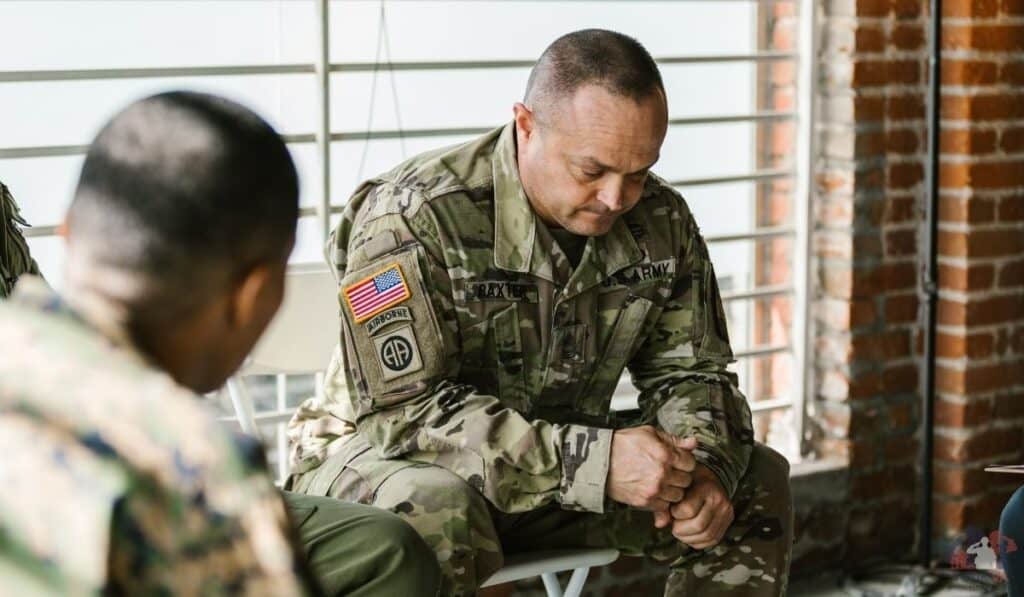
The VA National Center for PTSD reports that roughly 7 out of every 100 veterans will face posttraumatic stress disorder in their lifetime. That statistic makes posttraumatic stress disorder one of the most common service-connected claims in the books.
From our experience, though, that number hides a frustrating pattern: many veterans end up with a VA rating that doesn’t match the daily weight of their symptoms.
The gap usually comes down to one thing. They simply don’t know how the VA translates raw symptoms into a legal rating. That’s why we wrote this. We’re breaking down the specific language found in 38 CFR PTSD regulations, specifically section 4.130.
Our goal is to give you a clear mirror. You can hold your real-world struggles up against the official criteria the VA uses to assign your disability rating and see if they actually line up.
Before you evaluate your own situation, understand that PTSD is classified under the general rating formula for mental disorders, which we covered in more depth in our previous article.
Many of you also ask how VA secondary conditions are calculated, and that is exactly what our next piece addresses, because physical ailments often intertwine with psychological trauma.
And if you want the full snapshot of every condition you have on file, our main post walks you through the VA disability rating code sheet. Taken together, these resources give you the full picture you need to decide if your current rating truly reflects the veteran you are today.
38 CFR is the federal rulebook the VA uses for every disability decision it makes. Section 38 CFR 4.130 houses the general rating formula for mental disorders, and it’s the same formula used to score 38 CFR PTSD claims.
This one formula covers dozens of conditions, not just PTSD.
Posttraumatic stress disorder shares its rating scale with a long list of other mental disorders. Take generalized anxiety, social anxiety disorder, and other specified anxiety disorder, for instance. Somatic and neurocognitive conditions land here too:
Eating disorder diagnoses sit in this same part of the code, though they run on a separate scoring scale of their own. Everything else on the list above shares one formula, which keeps scoring consistent across very different diagnoses.

A rating can’t happen without a diagnosis first. The VA leans on the American Psychiatric Association’s Diagnostic and Statistical Manual, Fifth Edition, to confirm PTSD symptoms meet clinical criteria.
Think of it as the starting gate. No formal DSM-5 diagnosis, no disability rating, full stop.
One more thing worth knowing: the VA won’t stack separate ratings for overlapping mental health symptoms.
Say a veteran has PTSD and generalized anxiety with nearly identical effects on family relations and work. The VA assigns one combined VA rating under whichever code fits best, not two.
The general rating formula breaks impairment into six tiers, and every VA PTSD rating lands somewhere on this scale. Here’s what each level actually looks like in practice.
At 0%, a veteran has a formal diagnosis, but symptoms don’t yet interfere with occupational and social functioning or require medication. At 10%, things shift slightly:
Mild or transient symptoms that decrease work efficiency only during significant stress
Symptoms controlled by, or requiring continuous medication
Veterans stay generally functioning satisfactorily, with routine behavior intact otherwise
Say a veteran only struggles around a stressful anniversary each year. That pattern often points toward this lower tier.
30% brings an occasional decrease in work efficiency and intermittent inability to handle tasks during flare-ups, though daily functioning mostly holds steady.
Symptoms here include depressed mood, weekly or less frequent panic attacks, and mild memory loss, like forgetting names or recent events.
50% marks reduced reliability at work and in relationships. Symptoms grow heavier:
70% signals a deficiency in most major areas of life, including work, school, and family relations. This tier often brings suicidal ideation, near continuous panic, speech that’s intermittently illogical, and impaired impulse control that spills into a veteran’s own occupation.
100% represents gross impairment across the board. Picture grossly inappropriate behavior, persistent delusions, persistent danger to self or others, and minimal personal hygiene.
Veterans at this level may struggle with personal appearance, complex instructions, or the ability to function independently day to day.
One more thing worth flagging: the VA has proposed a 2026 domain-based scoring system that could eventually replace this formula. For now, current § 4.130 criteria remain the active standard, so today’s ratings still run through the tiers above.

Getting a PTSD diagnosis on paper is only step one. The VA still needs proof the condition connects back to military service before any VA PTSD ratings get assigned.
Every successful claim rests on three legs, and losing even one usually means a denial. Here’s the breakdown:
Combat veterans catch a break here. Say a veteran engaged in combat and the claimed stressor fits the circumstances of that service. Their own written statement can be enough, no corroborating paperwork required.
Non-combat claims work differently. A training accident, an assault, or a near-miss without a paper trail usually needs backup. This is where buddy statements from fellow service members carry real weight, especially when they describe behavior changes they personally witnessed.
Secondary conditions matter too. A veteran with traumatic brain injury or a related mild neurocognitive disorder may qualify for a separate rating, provided the symptoms are genuinely distinct from PTSD rather than a repeat of the same ones.
Overlapping symptoms get folded into one rating instead of stacked.
The C&P exam, short for Compensation and Pension exam, is where a lot of claims either take off or stall. Examiners fill out a DBQ, or Disability Benefits Questionnaire, documenting how PTSD affects daily functioning.
They’re checking whether a veteran can maintain effective relationships and perform occupational tasks, not just whether symptoms sound bad on paper.
Downplaying a rough week during the exam is a common misstep. Veterans sometimes describe their best day instead of a typical one, which can tank an otherwise solid disability rating.
Being specific about actual limitations, missed workdays, canceled plans, arguments with family, gives examiners something concrete to document.

A rating assigned years ago doesn’t always reflect where a veteran stands today. Symptoms can worsen quietly, and paperwork rarely catches up on its own.
A few questions worth asking honestly. Does daily life involve suicidal ideation that wasn’t documented at the original exam? Has work become harder to sustain, with more missed days or write-ups than before?
Gross impairment in relationships or day-to-day functioning is a strong signal a current 30% or 50% VA rating undersells reality. Chronic sleep disruption, worsening panic, or growing isolation from family often point toward a mismatch worth addressing.
Filing for an increase starts with fresh evidence, not just a feeling that things have changed. Useful steps include:
Common C&P mistakes are worth avoiding here too, like minimizing symptoms out of habit or pride.

One more reassurance: filing under current rules doesn’t put an existing disability rating at risk. Veterans are grandfathered into whichever criteria works in their favor, so requesting a review carries no real downside.
38 CFR PTSD criteria can feel like legal jargon at first glance. But once broken down, the tiers actually make sense. Each level ties back to real symptoms, real struggles, and how much occupational and social impairment a veteran genuinely experiences.
That clarity matters. A current disability rating should reflect today’s reality, not a snapshot from years ago. Symptoms shift, and paperwork should keep pace.
Have questions about a current rating? Our team at Your VA Benefits offers free, confidential claim evaluations. Stop by our homepage to learn more about how we help veterans get the recognition they’ve earned.
100% is the maximum VA rating, reserved for veterans experiencing total occupational and social impairment.
The VA applies the general rating formula under 38 CFR § 4.130, weighing symptom severity documented during the C&P exam.
Not usually. Anti-pyramiding rules mean overlapping symptoms, like PTSD and depression affecting mood or sleep, get folded into one rating instead of two.
File a claim for an increase or a supplemental claim, backed by updated medical evidence and lay statements describing changes to work or family relations.